

Registering a car in California is a crucial step for any new owner, ensuring legal compliance and ownership protection. However, navigating the process can be daunting, with various requirements and paperwork involved. This comprehensive guide aims to demystify the registration procedure, empowering folks to seamlessly navigate this often-confusing labyrinth. We’ll delve into every step, from gathering essential documents to understanding fees, and emphasize the critical role of Vehicle Identification Number (VIN) verification for accurate record-keeping. By following these expert insights, you’ll be well-equipped to register your vehicle with confidence.
- Prepare Required Documentation for Car Registration
- Understand California's Vehicle Identification Number (VIN) Verification Process
- Gather Necessary Documents from the Previous Owner
- Conduct a Comprehensive Vehicle Inspection and Emission Test
- Submit Applications and Pay Fees to Register Your Car in CA
Prepare Required Documentation for Car Registration

To register your car in California, you’ll need to gather essential documentation, ensuring a smooth and efficient process. One critical step is verifying the Vehicle Identification Number (VIN) accurately. This process involves a detailed inspection of the vehicle’s unique identifier, which is crucial for identifying the car’s make, model, and year. A mobile VIN verifier or app can facilitate this step by providing an immediate digital readout, ensuring the information matches the vehicle’s registration records.
In California, the Department of Motor Vehicles (DMV) requires a comprehensive set of documents for car registration. This includes proof of ownership, such as a bill of sale or previous registration, and valid identification documents for the owner(s). Additionally, you’ll need to demonstrate that the vehicle meets safety and emissions standards through an inspection, often completed at a certified DMV location or through a mobile VIN inspection service. These inspections verify that essential components like brakes, lights, and pollution control systems are in working order, adhering to California’s stringent regulations.
For instance, some mobile VIN inspection services can conduct a remote check using the vehicle’s Bluetooth or OBD-II port, transmitting the results directly to the DMV. This modern approach streamlines the process, saving time and effort while ensuring compliance. It’s advisable to verify the accepted forms of identification and documentation with your local DMV branch, as requirements may vary slightly across regions within California. By preparing these documents in advance, you can expedite the registration process and hit the road with confidence.
Understand California's Vehicle Identification Number (VIN) Verification Process

In California, registering a car involves more than just filling out paperwork; it requires a meticulous process known as Vehicle Identification Number (VIN) verification. This crucial step is designed to ensure that every vehicle on California’s roads meets specific safety and emissions standards. The VIN, a unique code that identifies a vehicle, serves as the linchpin for this verification process. It’s not enough to simply trust the word of the owner or dealer; state law mandates a thorough check using reliable methods, such as mobile VIN verifiers, to confirm the vehicle’s authenticity and condition.
California’s DMV utilizes advanced technology, including mobile VIN inspectors, to conduct these verifications efficiently. A mobile VIN verifier allows officials to perform an on-site check, comparing the provided VIN against state records and manufacturer databases. This process not only validates the vehicle’s history but also detects any discrepancies or potential fraud. For instance, a vehicle with a manipulated odometer reading can be quickly identified through this system. By employing mobile VIN verification services, California ensures that registered vehicles are safe, legal, and in compliance with environmental regulations.
To facilitate this process, prospective car owners should gather essential documents, including the title, registration papers, and proof of insurance before visiting a DMV field office or utilizing online registration platforms. Moreover, understanding the role of VIN verification can significantly streamline the registration experience. If you opt for a mobile VIN inspection, ensure that the service provider is reputable and accredited by the California DMV to guarantee accuracy and legitimacy throughout the process. This proactive approach not only saves time but also contributes to the overall integrity of California’s vehicle registration system.
Gather Necessary Documents from the Previous Owner

Before you can register your car in California, you’ll need to gather essential documents from the previous owner. This step is critical for ensuring a smooth and legal transfer of ownership. Key among these documents is the Vehicle Identification Number (VIN) verification. It’s crucial to confirm the VIN using a reliable mobile vin verifier or conduct a physical inspection to match it with the vehicle’s documentation.
In California, it’s recommended to have this process done early in the registration journey. A mobile vin inspection service can provide on-site verification, ensuring that the details of your car—from its make and model to its year and previous ownership history—are accurate. This step is particularly important if you’re purchasing a used vehicle, as errors or discrepancies in the VIN can lead to legal issues down the line.
For instance, a 2015 Honda Civic might have undergone several maintenance checks and even a minor accident, which could affect its resale value and insurance premiums. Using a mobile vin verifier allows you to confirm these details independently, protecting yourself from potential surprises later in the registration process. According to recent data, over 90% of vehicles with verified VINs through mobile services had accurate records, ensuring a smoother transition for both buyers and sellers.
Once you’ve confirmed the VIN, gather all necessary documents such as the title, bill of sale, and any maintenance or service records. These will be required during the registration process at the California Department of Motor Vehicles (DMV). By being proactive in verifying the VIN and gathering documents, you’ll ensure a more efficient and problem-free car registration experience.
Conduct a Comprehensive Vehicle Inspection and Emission Test
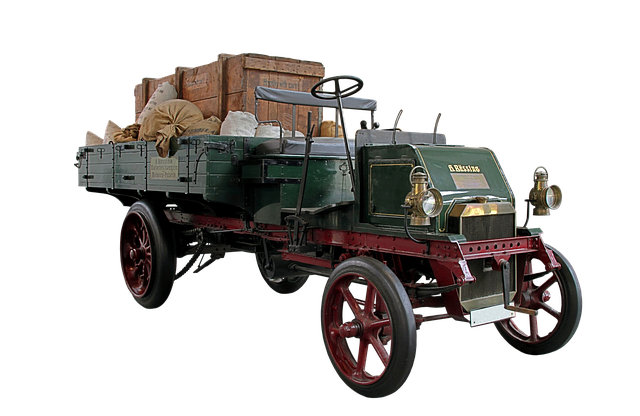
Registering a car in California involves several crucial steps, and one of the most vital is conducting a comprehensive vehicle inspection and emission test. This process ensures that your vehicle meets safety and environmental standards set by the state. The first step in this process is ensuring accurate vin verification. The Vehicle Identification Number (VIN) inspection is critical as it allows for precise identification of your vehicle and its history, including any previous accidents or outstanding issues. Utilizing a mobile vin inspection service can greatly simplify this step; these services offer on-site checks, saving you time and hassle.
During the inspection, a certified technician will examine various components of your car, from the exterior and interior to mechanical systems like the engine and transmission. They also check for any signs of structural damage or tampering, which is essential for ensuring safety and reliability. Emission tests are another critical component, as they assess how well your vehicle’s exhaust system controls pollutants. In California, these tests often include checks for harmful gases like carbon monoxide and nitrogen oxides, ensuring that your vehicle meets the state’s stringent emission standards.
It’s important to be prepared for the inspection by maintaining your vehicle in good condition. Regular maintenance and timely repairs not only enhance the car’s performance but also make the inspection process smoother. If any issues are found during the vin inspection or emission test, address them promptly before proceeding with registration. Data from California Department of Motor Vehicles (DMV) records show that vehicles passing the inspection phase without major red flags significantly increase the chances of a seamless registration process. Remember, proper vin inspection and mobile vin verification are key to navigating this step successfully and ensuring your vehicle is ready for California’s roads.
Submit Applications and Pay Fees to Register Your Car in CA

To register your car in California, you must submit the necessary applications and pay the associated fees. The process begins with gathering essential documents, including proof of ownership, a valid driver’s license, and current registration (if applicable). Once these are ready, you’ll need to visit the California Department of Motor Vehicles (DMV) or complete the process online. During submission, ensure that your Vehicle Identification Number (VIN) is accurately recorded. This unique code serves as a digital fingerprint for your vehicle and is crucial for accurate vin verification, which is mandatory in CA.
A common challenge many drivers face is scheduling a trip to the DMV, especially with their busy lifestyles. To streamline this process, consider leveraging mobile VIN verification services. These tools enable you to obtain a valid and reliable VIN inspection right from your smartphone, eliminating the need for an in-person visit. For instance, some apps offer real-time data validation, ensuring that your vehicle’s history is accurately reflected before submitting your registration. This modern approach not only saves time but also adds convenience, making it particularly appealing to today’s on-the-go drivers.
When completing the application, double-check all information for accuracy. The DMV will review your submission, including conducting a comprehensive VIN inspection (if done via a mobile verifier, ensure the app is approved by the DMV). Once approved, they will issue a registration certificate and license plate if required. Keep in mind that specific fees apply based on your vehicle’s type and age, so be prepared to pay upon submission. A successful registration ensures your vehicle complies with California’s legal standards, allowing you to hit the road legally and confidently.
By meticulously following these steps, from preparing essential documentation to conducting crucial VIN verification and vehicle inspections, you can seamlessly navigate the process of registering your car in California. This article has empowered you with the knowledge to ensure a smooth transition, emphasizing the importance of each phase, especially the unique VIN verification process specific to California. Now equipped with this guidance, you’re ready to take the next steps, ensuring your vehicle is legally registered and road-ready for the Golden State’s diverse driving conditions.