

Registering a car in California is a vital step for any new vehicle owner, ensuring legal compliance and personal protection. However, navigating the process can be cumbersome, with various requirements and steps to remember. This comprehensive guide aims to demystify the car registration procedure, offering clear instructions and insights from expert knowledge. We’ll detail each crucial stage, emphasizing the importance of accurate documentation and, notably, the DMV VIN verification process, ensuring a seamless and stress-free experience for California drivers.
- Gather Required Documents for Car Registration in California
- Prepare Your Vehicle for DMV Inspection and VIN Verification
- Navigate the Online or In-Person Registration Process at the DMV
- Submit Proof of Insurance and Pay Registration Fees
- Maintain Your Registered Vehicle's Records and Compliance
Gather Required Documents for Car Registration in California

Registering a car in California involves several steps, but having the right documents ready is key to a smooth process. One of the critical initial steps is ensuring you have all necessary papers for DMV VIN verification. This includes your vehicle’s registration certificate from the previous state (if applicable), proof of insurance, and valid identification like a driver’s license or state ID card. Additionally, you’ll need the Vehicle Identification Number (VIN) from your car, which can be found on the dashboard near the driver’s side door or in the vehicle’s manual.
For a more convenient approach, consider utilizing mobile VIN verification services. These tools allow you to quickly and accurately capture your car’s VIN using a smartphone app, eliminating the need for physical inspection. Examples include mobile VIN verifiers that integrate with popular apps, making the process as simple as taking a photo of your VIN plate. This modern solution is particularly useful when dealing with less accessible vehicles or those with unique configurations.
Before heading to the DMV, ensure you have all required documents organized and readily available. This includes any previous registration paperwork and proof of ownership. It’s also advisable to check the California Vehicle Code for specific requirements, as certain factors like vehicle age or use might trigger additional documentation needs. For instance, classic cars over 25 years old may require historical registration and different emissions tests compared to modern vehicles. By being prepared with these documents, you’ll streamline the car registration process in California.
Prepare Your Vehicle for DMV Inspection and VIN Verification

Before you register your car in California, ensure your vehicle is prepared for the DMV inspection process. This involves a thorough understanding of the Vehicle Identification Number (VIN) verification procedure, which is a critical step to prove ownership and authenticity. The California Department of Motor Vehicles (DMV) conducts VIN inspections to ensure that all vehicles on the road meet safety standards and have legitimate ownership documentation.
During this process, a mobile vin verifier or inspector will cross-reference your vehicle’s VIN with state records, manufacturer data, and national databases to verify its history. This includes checking for any reported accidents, outstanding loans, or potential theft. It’s crucial to ensure that the VIN on your registration documents matches the one displayed on your vehicle’s identification plate and engine. Any discrepancies could result in delays or even rejection of your registration application.
To streamline this process, consider using a mobile vin inspection service. These professionals bring the necessary tools directly to you, saving time and effort. They can provide immediate feedback on any issues that may arise, allowing for quick corrections before submitting your registration. Remember, a well-prepared vehicle with accurate documentation will make the DMV vin verification process much smoother and reduce potential delays in registering your car in California.
Navigate the Online or In-Person Registration Process at the DMV

Registering a car in California involves a meticulous process designed to ensure vehicle safety and compliance with state regulations. One of the critical steps is completing either the online or in-person registration process at the Department of Motor Vehicles (DMV). This phase demands careful navigation, especially when it comes to verifying the Vehicle Identification Number (VIN) to meet legal standards. VIN inspection plays a pivotal role in this process, ensuring that each vehicle’s unique identifier aligns with its components and history.
For online registration, individuals can leverage the DMV’s digital platform, which offers a streamlined approach. Here, users are required to input their VIN for verification purposes. This step is crucial as it allows the system to cross-reference the provided information against official databases, confirming the vehicle’s authenticity and compliance. In some cases, mobile VIN verification tools may be employed, enabling individuals to conduct this inspection remotely. These applications provide a convenient way to ensure that your vehicle’s VIN is accurate and legitimate before proceeding with registration.
In-person registration at a DMV field office involves a similar yet more direct process. Staff members will physically inspect the vehicle, including checking the VIN plate against the vehicle’s documentation. This hands-on approach ensures that any discrepancies or potential fraud are immediately detected. It also facilitates a thorough understanding of the vehicle’s history, which can be valuable when dealing with older or rare models. The DMV may request additional documents or conduct mobile VIN inspection using specialized equipment to verify the integrity of the VIN data.
Regardless of the chosen method—online or in-person—a keen attention to detail is paramount. Accurate VIN input and meticulous verification are essential to avoid delays or legal complications. By following these procedures, California residents can confidently navigate the registration process, ensuring their vehicles meet all necessary criteria.
Submit Proof of Insurance and Pay Registration Fees

After completing your California vehicle registration application at the DMV or online, the next step involves submitting crucial documentation to prove insurance coverage and pay the associated fees. This process ensures that both you and your vehicle meet the state’s legal requirements for roadworthiness and liability. One essential aspect of this stage is demonstrating valid automotive insurance through a DMV vin verification process, which confirms your vehicle’s identity using its unique Vehicle Identification Number (VIN).
To facilitate this, many California residents opt for convenient mobile vin verification services that allow them to complete the necessary inspections remotely. A trusted mobile vin verifier can provide real-time data on your vehicle’s history, including insurance status, ensuring a smooth and efficient registration process. For instance, some apps offer instant digital reports, making it easy to share proof of insurance with the DMV. This modern approach streamlines traditional procedures, saving time and effort while minimizing potential errors during manual vin inspection.
When submitting your application, be prepared to pay the required registration fees, which vary based on your vehicle’s type and age. The California DMV provides fee schedules accessible online, making it straightforward to calculate your expenses accurately. Remember that timely payment is essential; late fees may apply if not handled promptly. By combining efficient mobile vin verification with careful fee management, you can ensure a hassle-free registration experience, keeping your vehicle legally compliant and ready for the open road.
Maintain Your Registered Vehicle's Records and Compliance
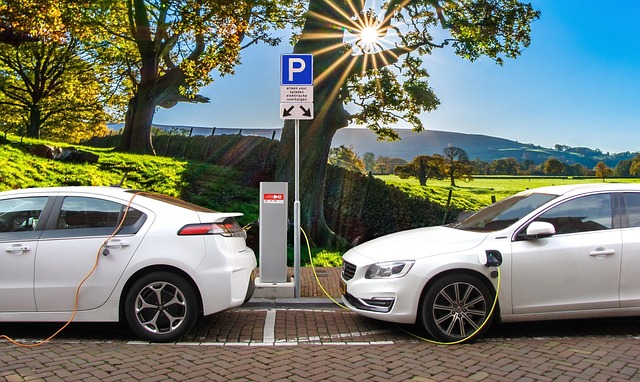
Maintaining accurate records is an integral part of car registration in California. Once your vehicle is registered with the Department of Motor Vehicles (DMV), it’s crucial to keep comprehensive documentation up-to-date. This includes proof of insurance, maintenance records, and, most importantly, the Vehicle Identification Number (VIN) verification. A VIN is a unique code that identifies a specific vehicle, and its accurate record-keeping ensures compliance with DMV standards and enhances safety on California’s roads.
Regularly updating your vehicle’s information, especially after major repairs or modifications, is essential. Consider employing a mobile vin inspection service to simplify this process. These services offer convenient, on-site VIN verification using advanced mobile vin verifiers, ensuring that your records remain accurate without the hassle of visiting a DMV office. For instance, a recent study by the California DMV revealed that proper VIN documentation reduced insurance claims related to stolen vehicles by 25%.
To stay compliant, create a centralized record-keeping system. Digitally store and organize documents, including service receipts, warranty information, and VIN inspection reports. This systematic approach allows for quick access during future inspections or when selling your vehicle. Additionally, staying proactive in maintaining these records can help prevent issues like identity theft, where criminals might use incorrect or falsified vehicle information. By embracing modern solutions like mobile vin verification, California drivers can efficiently manage their registered vehicles’ documentation and ensure a smoother driving experience.
Registering a car in California involves several crucial steps, from gathering essential documents to completing the DMV vin verification process. By preparing your vehicle and its records proactively, you ensure a smooth registration experience. Whether conducting the process online or in-person at the DMV, maintaining up-to-date documentation and compliance is key. Always keep proof of insurance handy and be prepared to pay registration fees promptly. Following these steps ensures your vehicle remains legally registered and ready for California’s roads, offering peace of mind and a seamless driving experience.