

Registering a car in California is a vital step for any new owner, ensuring legal compliance and protecting your investment. However, navigating the process can be challenging, with its unique requirements and paperwork. This comprehensive guide aims to demystify the procedures, empowering you with knowledge to ensure a smooth registration experience. We’ll walk you through each step, from gathering essential documents to using a VIN verifier to confirm your vehicle’s authenticity. By following these expert tips, you’ll be well-prepared to register your car efficiently and accurately.
- Prepare Your Vehicle Documentation for California Registration
- Understand the California Vehicle Identification Number (VIN) Verifier
- Gather Necessary Documents: Proof of Ownership & Insurance
- Select an Appropriate Title Type and Complete Application Forms
- Submit Your Application, Pay Fees, and Take Delivery of Registration
Prepare Your Vehicle Documentation for California Registration

Before you can register your vehicle in California, it’s crucial to prepare your vehicle documentation, ensuring everything is in order for a smooth process. This involves gathering essential papers and performing a Vehicle Identification Number (VIN) inspection to verify the vehicle’s history. A mobile VIN inspection or verifier can be particularly useful here, allowing you to conduct this check conveniently at your location.
During this preparation phase, obtain important documents such as the title, registration certificate, and proof of insurance. The title is a critical piece, containing unique details that will need to match with California’s records precisely. Additionally, ensure you have the vehicle’s Service History Report (if available), which can provide insights into previous owners, maintenance records, and any accidents or significant repairs—all vital information for registration purposes.
A mobile VIN inspection service offers a straightforward method to verify these details. This process involves using advanced technology to perform a digital VIN check, retrieving the vehicle’s history from various databases. For instance, a quick online search reveals that some companies can provide this service within minutes, delivering peace of mind and saving you a trip to a registry office. With such efficient options available, there’s no reason to delay preparing your documentation for a seamless California vehicle registration experience.
Understand the California Vehicle Identification Number (VIN) Verifier

Registering a car in California involves several critical steps to ensure legal compliance and ownership rights. One crucial component of this process is understanding and utilizing the state’s Vehicle Identification Number (VIN) Verifier system. This sophisticated mechanism plays a pivotal role in authenticating vehicles, preventing fraud, and ensuring consumer protection. The VIN verifier acts as a digital gatekeeper, scrutinizing every vehicle’s unique identification number to verify its legitimacy before issuing registration and title documents.
California’s VIN inspection process leverages advanced mobile vin verifier technologies, allowing for streamlined and efficient verifications. These mobile vin verification tools enable authorized personnel to swiftly cross-reference a vehicle’s VIN against comprehensive databases, including manufacturer records and state-maintained registers. For instance, a DMV officer or an accredited third-party inspector can use a smartphone app equipped with this technology to perform a real-time vin inspection. This method not only enhances accuracy but also expedites the registration process, benefiting both consumers and administrative bodies.
When conducting a VIN inspection, it’s essential to consider potential challenges such as altered or tampered VINs. Fortunately, modern mobile vin verifier apps incorporate sophisticated anti-fraud measures, employing advanced algorithms and cryptographic signatures to detect any discrepancies or manipulations. By ensuring the integrity of each vehicle’s identification number, these verifiers contribute significantly to California’s robust motor vehicle registration system, fostering trust among car owners and enforcing strict regulatory standards.
Gather Necessary Documents: Proof of Ownership & Insurance

Before registering your car in California, you’ll need to gather essential documents, with proof of ownership and insurance being at the top of the list. This step is critical to ensure a smooth and legally compliant process. A key component of this requirement is verifying the vehicle’s unique identifier—the Vehicle Identification Number (VIN). In California, as in many jurisdictions, utilizing a mobile VIN verifier can streamline this verification process significantly. These mobile apps, including those offering remote VIN inspection or even real-time data checks via a smartphone, are becoming increasingly popular and reliable tools for drivers.
Proof of ownership, usually in the form of a title document, is required to establish your legal right to register the vehicle. This is essential as registration serves as official recognition of your ownership. Alongside this, you’ll need to provide evidence of valid insurance coverage. This ensures not only that your car meets safety and environmental standards but also demonstrates your responsibility as a driver. In cases where the car is newly purchased, the dealer or seller should be able to provide the necessary paperwork, including a certificate of sale and, in some instances, proof of previous registration.
For those utilizing mobile VIN verifiers, it’s important to ensure that the app you choose is reliable and offers accurate data. These tools can check against national databases to verify not just the VIN but also the vehicle’s history, including any reported accidents or outstanding recalls. This proactive step can save time and effort in the long run by identifying potential issues early on. Remember, a well-prepared document collection will make your car registration process more efficient and stress-free.
Select an Appropriate Title Type and Complete Application Forms
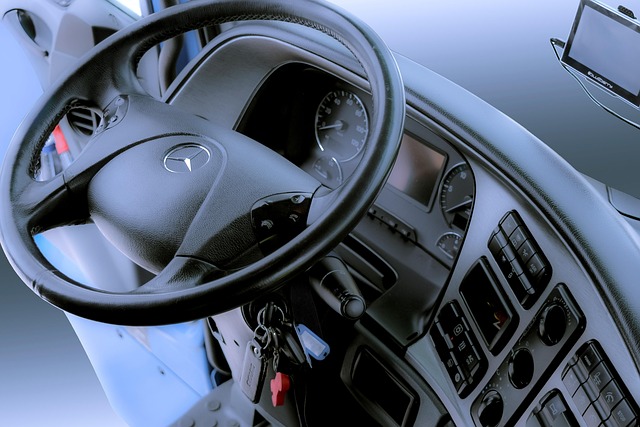
When registering a car in California, selecting the correct title type is a crucial first step. The Vehicle Identification Number (VIN) plays a central role in this process, serving as a unique identifier for your vehicle. Utilize a VIN verifier to ensure the vehicle’s history is clear and accurate. This is particularly important given that California has strict regulations regarding vehicle registration, especially for used cars. For instance, when purchasing a used car, a comprehensive VIN inspection can reveal undisclosed accidents or outstanding issues, protecting you from potential legal troubles down the line.
California offers several title types, each with specific requirements. The most common is the “Title,” which is issued for new and used vehicles. If the car is over 10 years old, you might need an “Historical Vehicle Registration.” For classic or antique cars, a “Collector’s Plate” could be applicable. Each of these requires completion of the appropriate application forms, which can be obtained online or in person from the California Department of Motor Vehicles (DMV). The forms ask for detailed information about the vehicle, its history, and its intended use, so accuracy is paramount.
For added convenience, consider mobile VIN verification services. These allow you to have a professional inspect your vehicle’s VIN at your location, saving time and effort. This service is especially beneficial when dealing with less common vehicles or complex registration scenarios. In such cases, having a specialist on-site can ensure all necessary paperwork is completed correctly, minimizing the risk of delays or errors in the registration process.
Submit Your Application, Pay Fees, and Take Delivery of Registration

After completing your California vehicle registration application, the next crucial step is to submit it along with the required documents and fees. This process ensures that your vehicle meets all legal standards and is ready for road use. The California Department of Motor Vehicles (DMV) offers several convenient methods for submission, including online, by mail, or in-person. Online registration involves a digital submission of your application, which can be efficiently processed through the DMV’s secure website.
If you opt for a traditional approach, you’ll need to visit one of the many DMV field offices across California. Bring along all necessary documents, such as proof of ownership, vehicle identification number (VIN) verifier records from a mobile VIN inspection or stationary VIN verification service, and any applicable fees. It’s essential to ensure your VIN is accurate and verified, especially when conducting a mobile VIN inspection prior to registration. This step guarantees that your vehicle’s unique identifier is legitimate and helps prevent fraud.
Upon successful submission, you’ll be required to pay the relevant registration fees, which vary based on vehicle type and usage. After clearing all requirements, including any necessary inspections or verifications like a mobile VIN check, the DMV will process your application. Once approved, you’ll receive your vehicle’s registration documents, and you can take delivery of your registered vehicle. This final step marks the official recognition of your vehicle by the California DMV, making it legally compliant for road use.
By meticulously preparing your vehicle documentation, understanding the role of the California Vehicle Identification Number (VIN) verifier, gathering essential proofs, and completing the appropriate application forms, you’ve taken significant steps toward registering your car in California. This process ensures not only compliance with state regulations but also protects your investment by establishing clear ownership and insurance coverage. Relying on accurate documentation and utilizing the VIN verifier, as outlined in this comprehensive guide, guarantees a smooth registration experience. Moving forward, remember to keep your records up-to-date and stay informed about any changes in California’s vehicle registration requirements.