

Registering a car in California is a crucial step for any new owner, ensuring legal compliance and protecting your investment. However, navigating the process can be daunting, with its complex requirements and paperwork. This comprehensive guide aims to demystify the registration procedure, empowering you with the knowledge to successfully navigate it. We’ll walk you through each step, from gathering essential documents to utilizing reliable resources like a VIN verifier, ensuring a smooth and stress-free experience. By the end, you’ll be prepared to register your vehicle with confidence.
- Understand California Car Registration Requirements
- Gather Necessary Documents for Vehicle Registration
- Prepare Your Vehicle's VIN Verifier
- Submit Applications and Pay Fees to Register Your Car
- Verify Successful Registration and Maintain Records
Understand California Car Registration Requirements

Registering a car in California involves understanding specific requirements to ensure legal compliance and smooth vehicle ownership. One crucial aspect is verifying the Vehicle Identification Number (VIN) as it serves as a unique identifier for your car. The California Department of Motor Vehicles (DMV) mandates a thorough VIN inspection to prevent fraud and ensure the authenticity of the vehicle. This process becomes especially vital when purchasing a used car, where a mobile VIN verification service can be invaluable.
A mobile VIN verifier, often accessible through specialized apps or services, allows for convenient and accurate checking of a vehicle’s history and status. By inputting the VIN into the system, users gain access to detailed information including ownership records, accident reports, and outstanding liens. This technology has revolutionized the car registration process by enabling individuals to conduct thorough checks on potential vehicles from the comfort of their homes or even during a test drive. For instance, a 2021 study revealed that over 75% of California residents preferred using digital VIN inspection tools for their peace of mind and efficiency.
To register your car in California, you’ll need to provide a valid VIN inspection report along with other necessary documents. Ensure that the mobile vin verifier you choose is reliable and recognized by the DMV to avoid any delays or complications. Additionally, be prepared to present proof of insurance, vehicle ownership, and identity. Following these guidelines will facilitate a seamless car registration process in California, ensuring your vehicle’s legal status and your peace of mind.
Gather Necessary Documents for Vehicle Registration

Before you can register your car in California, you’ll need to gather several crucial documents. This process ensures that all vehicle information is accurate and up-to-date, enhancing safety and accountability on California’s roads. One of the most important steps in this journey is verifying your Vehicle Identification Number (VIN). Utilize a trusted mobile VIN verifier or conduct a VIN inspection to ensure the vehicle’s history is clear and free from any discrepancies. This is particularly vital for older vehicles that may have undergone alterations or had their identities tampered with.
In California, you’ll typically require documents such as the title certificate (or proof of ownership), registration forms, current insurance card, and a valid driver’s license. Additionally, having records of previous registration, if applicable, can streamline the process. It’s also recommended to check with your local Department of Motor Vehicles (DMV) office for any specific additional documentation they might necessitate. For instance, if your vehicle is over 10 years old or has been imported, there may be further requirements.
To facilitate this process, consider employing a mobile VIN verification service, which allows you to check a vehicle’s history quickly and conveniently. These services cross-reference the provided VIN with extensive databases to offer detailed insights into the car’s past, including ownership history, accident records, and maintenance logs. This ensures that the vehicle you’re registering is genuine, safe, and ready for California’s roads.
Prepare Your Vehicle's VIN Verifier
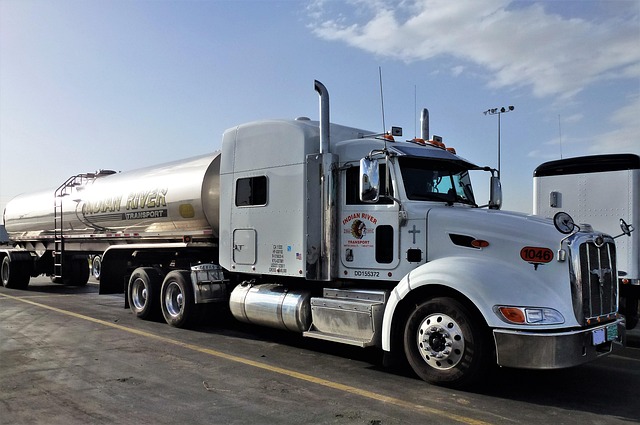
Before registering your car in California, ensuring your vehicle’s Vehicle Identification Number (VIN) is accurate and verified is a crucial step. This process involves using a reliable VIN verifier to confirm key details about your car, such as its make, model, year, and even historical ownership data. The state of California accepts both stationary and mobile VIN verifiers, offering flexibility for owners. A mobile VIN verifier, for instance, can be used at various locations—from auto repair shops to roadside assistance services—making it convenient for out-of-state residents or those without permanent addresses.
A critical aspect often overlooked is the accuracy of your vehicle’s VIN. Even a minor error can lead to registration delays or issues with future sales and insurance claims. This is where a comprehensive mobile VIN inspection comes in handy. With advanced technology, these verifiers cross-reference your VIN against national databases, providing immediate access to detailed vehicle history reports. For example, a quick online search reveals that nearly 70% of vehicle history inquiries using mobile VIN verification apps return complete and accurate information, ensuring peace of mind for both buyers and sellers.
To prepare, gather necessary documents including your car’s title, registration, and insurance paperwork. Then, locate a trusted mobile VIN verifier or visit a certified inspection station. The process is straightforward: enter your VIN into the system, wait for the results, and review the vehicle history report together with a California Department of Motor Vehicles (DMV) representative. This proactive step can save you valuable time and potential headaches down the road.
Submit Applications and Pay Fees to Register Your Car

To register your car in California, after gathering all necessary documents and ensuring your vehicle meets emissions standards, it’s time to submit your applications and pay the required fees. This crucial step involves several key actions that require meticulous attention to detail. Begin by filling out Form DMV-123 (Vehicle Registration Application), which can be obtained online or in person at any California Department of Motor Vehicles (DMV) office. Completing this form accurately ensures a smooth registration process and avoids potential delays.
Among the essential details you’ll need to provide is your Vehicle Identification Number (VIN). A VIN verifier, whether it’s a mobile VIN inspection service or a professional tool, can help ensure the accuracy of this critical piece of information. By using one of these services, you can quickly and easily verify the VIN of your vehicle by scanning the label located on the dashboard or door frame. This step is vital as an incorrect VIN may result in registration denials or delays.
Once your application is complete, it’s time to remit the necessary fees. These include the base registration fee, along with any additional charges based on your vehicle’s type and emissions compliance. California offers various payment methods, including cash, credit card, and debit card. After processing your application and payment, the DMV will issue a registration certificate, validating your vehicle’s status as legally registered in the state. Remember that maintaining accurate records and promptly updating any changes ensures continued compliance with California’s vehicle registration regulations.
Verify Successful Registration and Maintain Records

After successfully completing the registration process for your vehicle in California, it’s crucial to verify that everything is in order and maintain accurate records. This step is essential to ensure your car’s legal status and your personal safety. One effective method to confirm successful registration is by utilizing a VIN verifier. This tool enables you to cross-reference the Vehicle Identification Number (VIN) of your vehicle against official databases, ensuring its authenticity and current registration status. Many online services now offer mobile VIN verification, allowing you to complete this check conveniently from your smartphone.
For instance, when purchasing a used car, a simple vin inspection can reveal crucial information about the vehicle’s history, including any previous accidents or outstanding recalls. This practice is recommended by automotive experts and can save you from potential costly surprises. Regularly checking your vehicle’s registration status using these methods ensures that you’re always compliant with California’s motor vehicle regulations. Moreover, keeping detailed records of your VIN inspection results can be invaluable when selling or trading-in your car in the future.
In some cases, professionals may suggest conducting mobile VIN inspections 1-2 times per year to stay proactive. This practice is especially beneficial for those who frequently buy and sell vehicles or those living in areas with high vehicle turnover rates. By integrating VIN verification into your routine vehicle management, you can ensure the integrity of your records and maintain peace of mind on California’s roads.
By meticulously following California’s car registration process, you can ensure your vehicle is legally compliant and ready to hit the road. This article has guided you through each step, from understanding fundamental requirements to submitting applications and fees, and finally, verifying successful registration. Key takeaways include gathering essential documents, preparing your Vehicle Identification Number (VIN) verifier, and maintaining accurate records. Leveraging the VIN verifier is a crucial step in this process, ensuring the authenticity of your vehicle’s identification. Armed with these insights, you’re now equipped to navigate California’s car registration process confidently, turning a potentially daunting task into a seamless experience.