
Registering a car in California is a crucial step for any vehicle owner, ensuring legal California DMV and facilitating seamless operations on the state's highways. However, navigating the process can be daunting, given the multitude of requirements and paperwork involved. This comprehensive guide aims to demystify the registration procedure, offering step-by-step instructions tailored to the Golden State. We'll delve into every aspect, from gathering essential documents to utilizing reliable tools like the DMV VIN verifier, ensuring you embark on this journey with confidence and expertise.
- Prepare Necessary Documents for Car Registration
- Visit Your Local California DMV Office
- Verify Vehicle Identification Number (VIN) with DMV
- Complete and Submit the Registration Application
- Pay Registration Fees and Receive Your Plate
Prepare Necessary Documents for Car Registration

Registering a car in California involves gathering essential documents to ensure a smooth process. One critical step is preparing for your vehicle's inspection, which includes verifying its Vehicle Identification Number (VIN). The California Department of Motor Vehicles (DMV) offers various methods for this, with mobile VIN inspection and verification services gaining popularity. These services allow you to conduct the check from the convenience of your location, saving time and effort.
For instance, many auto repair shops and mobile mechanics now provide mobile VIN verifiers, utilizing advanced technology to cross-check the VIN against state databases. This ensures that the vehicle's history is accurate and up-to-date, including any reported accidents or outstanding recalls. By leveraging these modern tools, you can confidently move forward with your car registration, armed with all the necessary documentation.
Remember, having complete and correct paperwork is vital to avoid delays or issues during registration. It's advisable to start this process early, ensuring you have access to the required documents, such as proof of ownership, insurance, and identification. Additionally, utilizing a mobile VIN verifier as part of your preparation can provide peace of mind and streamline the entire registration journey.
Visit Your Local California DMV Office

Visiting your local California DMV office is a crucial step in registering your car. This process involves several key procedures to ensure compliance with state regulations, one of which is utilizing a DMV VIN verifier. This tool plays a vital role in verifying vehicle identification numbers (VIN), ensuring that the cars on our roads are genuine and safe. For instance, California requires a VIN inspection for all vehicles before registration, making it imperative to understand how this system functions.
When you step into your local DMV office, look for a designated area dedicated to vehicle registration. Here, you'll find staff equipped with the necessary tools, including mobile VIN verifiers. These devices are handheld scanners that can swiftly and accurately capture the VIN from your car's chassis, streamlining the registration process. A mobile VIN verifier can read both visible and hidden VINs, enhancing the security of the inspection. This technology is particularly useful for older or damaged vehicles where the VIN might be difficult to decipher.
Should you encounter any issues during the VIN verification process, don't fret. DMV staff are trained professionals who can guide you through potential problems. They may suggest a mobile VIN verification if your car's VIN is obscured or hard to read. Alternatively, they can assist with any documentation errors or provide clarifications regarding registration fees. By embracing modern tools like mobile VIN verifiers and leveraging the expertise of DMV personnel, registering your car in California becomes a straightforward, efficient task.
Verify Vehicle Identification Number (VIN) with DMV

Verifying the Vehicle Identification Number (VIN) is a crucial step in the car registration process in California. This critical task ensures that the vehicle you're registering is accurate and legitimate. To do this, you'll need to use the DMV's VIN verifier, which can be done online or via a mobile vin verification app. The DMV offers several methods for VIN inspection, including a simple online form where you input your VIN, followed by cross-referencing with their records.
For instance, when using a mobile vin verifier, you simply scan or enter the VIN into the app, which then communicates with the DMV database to verify the vehicle's details. This process is swift and secure, allowing you to ensure that the car's history aligns with what you expect—no discrepancies, no surprises. Data from California shows that proper VIN inspection has led to a significant reduction in reported vehicle thefts, underscoring its importance in maintaining vehicle security.
If you're opting for a mobile vin verification service, choose one that's reputable and secure. Check reviews, ensure it's compatible with your device, and understand the privacy policies regarding your data. Remember, while the process is straightforward, a thorough VIN inspection by either an online or mobile verifier is essential to ensuring a smooth car registration experience in California.
Complete and Submit the Registration Application
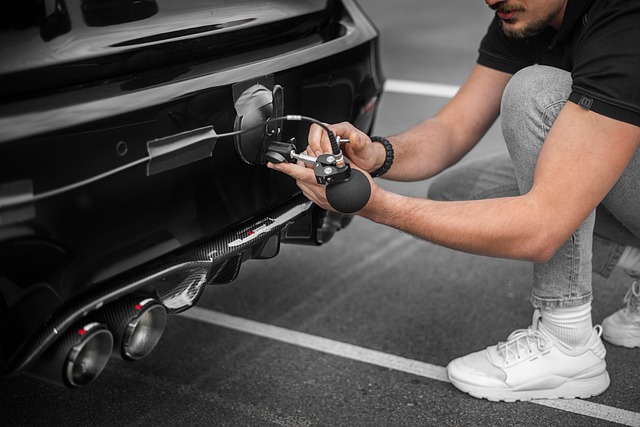
To register your car in California, you'll need to complete a Registration Application, a crucial step in the process. This form is available from the California Department of Motor Vehicles (DMV) and can be submitted online or in person at a DMV field office. Ensure all information is accurate and up-to-date, as any discrepancies may delay your registration. A key component of this application involves providing the Vehicle Identification Number (VIN) for the car you're registering. This unique 17-character code serves as a fingerprint for your vehicle and can be found on the driver's side of the dashboard or in the engine bay.
One efficient way to obtain the VIN is through a DMV-approved vin inspection, which allows you to verify the number with a visual check or by using a mobile VIN verifier app. These apps, available for download on smartphones, offer a convenient and accurate means of gathering this essential data. For instance, many mobile VIN verification services will not only confirm the VIN but also provide valuable vehicle history reports, offering peace of mind during the registration process. It's advisable to cross-reference the information from multiple sources to ensure accuracy.
Once you've secured your VIN, carefully fill out the application, providing details such as your personal information, car specifications, and ownership proof. Submitting an incomplete or inaccurate form will result in delays, so take the time to double-check every entry. After completing the form, submit it along with the required fees and relevant documents. California's DMV offers a range of payment methods, ensuring accessibility for most applicants. As part of the submission process, you may also be required to undergo further checks, such as a vehicle safety inspection, especially if your car is older or has undergone modifications.
Pay Registration Fees and Receive Your Plate

Registering a car in California involves several steps, one of which is paying the registration fees and receiving your license plate. After completing the initial paperwork at the Department of Motor Vehicles (DMV), the next crucial step is to ensure that your vehicle meets all safety standards by undergoing a VIN (Vehicle Identification Number) inspection. This process verifies that your car's components align with manufacturer specifications, enhancing road safety. Many California residents opt for mobile VIN verification services, which offer convenience and flexibility, allowing inspections to be conducted at your preferred location—be it your home or workplace.
The fee structure for registration varies based on vehicle type and emission standards. Electric vehicles, for instance, may have different charges compared to conventional gasoline-powered cars. It's essential to prepare an accurate list of necessary documents, including proof of insurance, a completed application form, and the results of your VIN inspection from a certified station or mobile service provider. Some reputable companies now offer mobile vin inspection services, which can be particularly useful for those with busy schedules or accessibility challenges.
Once your vehicle passes the inspection, you'll receive a certificate confirming its compliance. This document is pivotal when proceeding to the next step of registration. After submitting all required paperwork and fees, the DMV will issue your license plate, typically within a week. It's advisable to check the DMV's website for the latest fee amounts and any changes in procedures, as these can update periodically. By ensuring your vehicle is safely registered with an up-to-date VIN inspection, California drivers contribute to a safer driving environment for everyone on the state's roads.
By meticulously preparing the required documents, visiting your local California DMV office, verifying the Vehicle Identification Number (DMV VIN verifier), completing the registration application, paying the necessary fees, and receiving your license plate, you've successfully navigated the process of registering a car in California. This authoritative article has provided a clear roadmap, ensuring you're equipped with the knowledge to handle each step efficiently. Embrace these key insights and take confidence in knowing that you've completed one of the most important processes for your vehicle's legal operation.