
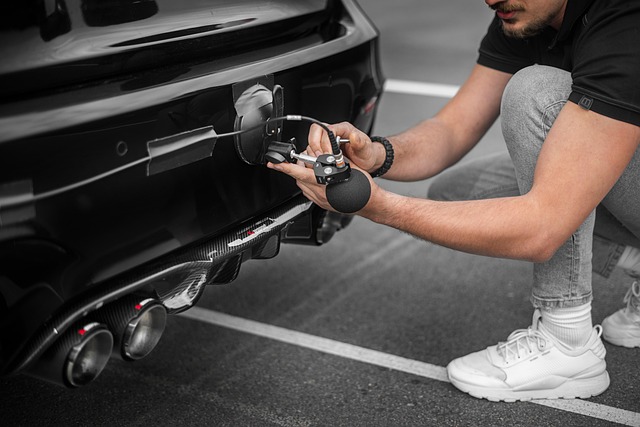
Looking to register your car in California? This comprehensive guide breaks down the process step-by-step. From understanding crucial requirements to securing your unique vehicle identification number (VIN) using a VIN verifier, ensure your car is authentic and compliant. Gather essential documents, submit applications with fees at the DMV, and pick up your registered plate—all simplified here. Master the art of California car registration effortlessly.
- Understand California Car Registration Requirements
- Gather Necessary Documents for Car Registration
- Use VIN Verifier to Ensure Vehicle Authenticity
- Submit Application and Fees at the DMV
- Pick Up Your Registered Vehicle Plate
Understand California Car Registration Requirements

Before diving into the registration process, it’s crucial to understand California’s car registration requirements. This process involves several key steps and considerations. Firstly, you’ll need to ensure that your vehicle meets all safety and emission standards set by the state. The Vehicle Identification Number (VIN) is a critical component of this process as it uniquely identifies your car. Utilizing a reliable VIN verifier, like a mobile vin inspection service, allows for quick and accurate verification during registration.
Additionally, you’ll require specific documents such as proof of ownership, a valid driver’s license, and current insurance information. California also mandates that vehicles undergo an emissions test to ensure they meet the state’s environmental standards. Given the stringent regulations, engaging in these preparatory steps ensures a smoother registration process. Opting for a mobile vin inspection service can further simplify matters by providing on-demand verification right from your location.
Gather Necessary Documents for Car Registration

Before you begin the registration process, it’s crucial to gather all the essential documents for your car. One critical step is to obtain a Vehicle Identification Number (VIN) verifier. This can be done through various methods, including a mobile VIN verification or inspection service, which allows you to check the vehicle’s history and ensure its authenticity. You’ll also need basic paperwork like a valid driver’s license, proof of insurance, and current registration (if applicable). Additionally, California requires a title for new vehicles, while used cars typically require a Bill of Sale.
Remember to keep these documents organized as you proceed with the registration process. A clear understanding of each requirement will ensure a smooth transition, making it easier to navigate the car registration process in California.
Use VIN Verifier to Ensure Vehicle Authenticity

Before registering your car in California, it’s crucial to ensure its authenticity using a reliable method like a VIN (Vehicle Identification Number) verifier. This process helps verify that the vehicle is as described and free from any discrepancies or potential fraud. By inputting your VIN into an online or mobile vin verifier tool, you can gain instant access to detailed information about the car’s history, including past owners, maintenance records, accident reports, and more.
Taking advantage of a mobile vin inspection or mobile vin verification service allows for added convenience during this process. These services send a professional to your location to perform an on-site VIN check, providing you with immediate results and peace of mind. With their expertise, you can be assured that the vehicle’s identity is genuine, making the registration process smoother and safer.
Submit Application and Fees at the DMV

To register your car in California, submit the necessary application and fees at a Department of Motor Vehicles (DMV) office or online. Before doing so, ensure that all required documents are in order, including proof of ownership, insurance, and identification. The process involves completing an Application for Title and Registration form, which can be obtained from the DMV website or picked up in person.
One crucial step is to verify the vehicle’s VIN (Vehicle Identification Number) using a reliable source like a mobile VIN verifier or performing a traditional VIN inspection. This ensures that your car matches the reported information on the registration documents. Once all forms are accurately filled out and required fees paid, the DMV will process your application, issuing a registration certificate and license plate for your vehicle, typically within 20 business days.
Pick Up Your Registered Vehicle Plate

After completing your vehicle’s registration, it’s time to claim your new plates. You can pick up your registered vehicle plate from the California Department of Motor Vehicles (DMV) office or, for added convenience, through a mobile vin verifier service. Many people opt for the latter option, as it allows you to obtain your plates without leaving home or work.
A mobile vin verifier performs a vin inspection, checking your vehicle’s unique Vehicle Identification Number (VIN) against the state’s records. Once verified, they’ll issue your official license plate. This service is particularly beneficial if you’ve recently moved to California or have had issues with pick-up times at the DMV. It streamlines the process, ensuring you hit the road with your new plates in hand.
Registering a car in California involves understanding key requirements, gathering essential documents, verifying vehicle authenticity using a VIN verifier, submitting applications and fees at the Department of Motor Vehicles (DMV), and finally picking up your registered vehicle plate. This straightforward process ensures your vehicle complies with state regulations, enabling you to legally operate it on California roads. Remember to use a reliable VIN verifier to maintain vehicle integrity throughout the registration procedure.