

Registering a car in California is a critical step for any new vehicle owner, ensuring legal compliance and access to roads. However, navigating the process can be confusing, particularly with evolving regulations and complex procedures. This article provides an authoritative guide, designed to empower you with the knowledge needed to smoothly navigate this often-misunderstood journey. We’ll break down each step, including leveraging essential tools like the DMV VIN verifier, to ensure accuracy and efficiency. By following our comprehensive instructions, you’ll gain confidence in managing your vehicle’s registration, ensuring a seamless experience from start to finish.
- Gather Necessary Documents for Car Registration
- Prepare Your Vehicle's VIN (Vehicle Identification Number)
- Visit a California DMV Location or Use Online Services
- Complete the Registration Application Accurately
- Pay the Required Fees and Receive Your License Plate
Gather Necessary Documents for Car Registration

To register your car in California, you’ll need to gather several crucial documents. This process is designed to ensure the safety and legitimacy of vehicles on California’s roads, with the Department of Motor Vehicles (DMV) playing a central role. One essential step involves using a DMV VIN verifier or a mobile VIN verification service to confirm your vehicle’s identity and history. This can be done through an online tool or by visiting a local DMV office.
For instance, many modern vehicles come equipped with an Electronic Vehicle Information System (EVIS) that includes a unique 17-character Vehicle Identification Number (VIN). You’ll need access to this VIN for accurate verification. Additionally, you might require documents such as the title certificate from the previous owner, proof of insurance, and a valid driver’s license. If your vehicle is a classic or out-of-state purchase, extra paperwork could be necessary, including odometer readings and emissions test results.
For convenience and speed, many Californians opt for mobile VIN verifiers or services that can perform an inspection remotely. These tools leverage advanced technology to cross-reference your VIN with national databases, providing instant validation of your vehicle’s history, including any accidents, recalls, or outstanding issues. Using a mobile VIN verifier can save you time and hassle compared to traditional methods, ensuring a smoother registration process. Always ensure the service provider is reputable and uses trusted data sources for accuracy.
Prepare Your Vehicle's VIN (Vehicle Identification Number)

Preparing your vehicle’s Vehicle Identification Number (VIN) is a crucial step in the car registration process in California. The VIN is a unique code that serves as the identity of your vehicle and is essential for various procedures, including registration and insurance claims. Before heading to the California Department of Motor Vehicles (DMV), ensure you have accurate and up-to-date information regarding your VIN. This involves verifying the number itself and confirming its authenticity through reliable methods.
One effective approach to prepare your VIN is by utilizing a mobile vin inspection or verification service. These services offer convenient, on-site assessments where a professional can cross-reference your VIN with official databases using specialized tools. For instance, many companies now provide mobile vin verification, allowing you to get instant validation without leaving the comfort of your home. This method is particularly beneficial for older vehicles or those with complex histories as it can uncover any discrepancies or potential issues that may impact registration.
Additionally, it’s advisable to double-check the VIN plate itself, which is typically located on the vehicle’s driver-side door frame. Ensure it is readable and matches the information provided in your ownership documents. If there are any doubts or if your vehicle has undergone significant modifications, consider a mobile vin inspection to ensure accuracy. Remember, an error in the VIN during registration can lead to delays or even rejection of your application. By taking proactive steps to verify your VIN, you streamline the registration process and set yourself up for a smooth experience with California’s DMV.
Visit a California DMV Location or Use Online Services
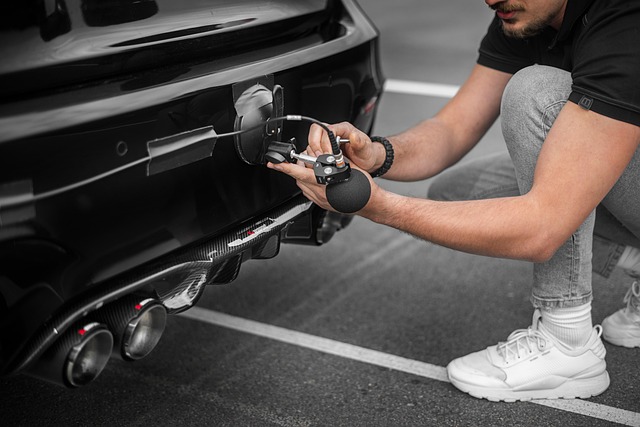
Registering a car in California involves several steps, two of which are visiting a California DMV location or utilizing online services for a seamless experience. Many vehicle owners opt for online registration to avoid long queues and save time. The California Department of Motor Vehicles (DMV) offers an efficient digital platform that allows you to complete the process from the comfort of your home, providing convenience and accessibility.
For instance, when registering a new or used car, you can start by visiting the official DMV website and selecting the “Online Services” option. Here, you’ll find various forms and guides tailored for different vehicle types and circumstances. One crucial step is completing the Vehicle Identification Number (VIN) inspection, which confirms the vehicle’s authenticity and history. This process typically involves using a dmv vin verifier to cross-check the VIN with national databases, ensuring it matches the reported details and hasn’t been reported as stolen or in any accidents. Mobile VIN inspection services are also available, offering added convenience for those on the go.
Alternatively, if you prefer face-to-face interaction, visiting a local DMV field office is an option. Upon arrival, be prepared to present necessary documents such as proof of ownership, registration from another state (if applicable), and identification. The DMV agent will guide you through the process, which may include a visual inspection of your vehicle, including checking the VIN plate for any damage or discrepancies. This hands-on approach ensures a thorough verification process, especially when dealing with unique or classic vehicles.
Whichever method you choose, ensuring accurate VIN information is paramount. An incorrect or missing VIN can lead to registration delays or even legal issues. Therefore, it’s advisable to double-check the VIN details and consult the DMV’s guidelines for any specific requirements related to your vehicle’s make, model, or year. By following these procedures diligently, you’ll be well on your way to successfully registering your car in California.
Complete the Registration Application Accurately

Completing the Registration Application accurately is a crucial step when registering your car in California. This process involves meticulous attention to detail as errors can lead to delays or even rejection of your registration. The California Department of Motor Vehicles (DMV) requires specific information and documents, including a proper Vehicle Identification Number (VIN) verification. Utilization of a mobile VIN verifier can significantly streamline this process, ensuring accuracy in real-time. For instance, many mobile apps now offer convenient, on-site VIN inspection capabilities, allowing you to verify the vehicle’s history instantly.
A key aspect is ensuring the VIN is accurately recorded. The VIN is a unique code that identifies your car and its components, and it’s essential this information is correctly transferred onto the registration application. Mistakes in transcribing the VIN can cause problems later, so double-checking this detail is paramount. Moreover, some DMV services now offer a mobile VIN verifier as part of their inspection process, enabling quick verification at your convenience, be it at home or on the go.
It’s also important to gather all required documents before beginning the application. This typically includes proof of insurance, vehicle ownership (if applicable), and identification. An incomplete application will delay registration, so organization and preparation are key. For instance, some customers have found success using mobile VIN inspection apps as a pre-application step, ensuring their vehicle’s history is clean and accurately documented before submitting the form. By following these guidelines and leveraging available technology like mobile VIN verifiers, you can ensure a smoother, more accurate registration process in California.
Pay the Required Fees and Receive Your License Plate

After completing the necessary paperwork for car registration in California, the next step involves paying the required fees and receiving your license plate. This process is designed to ensure that vehicle owners meet all legal requirements and have a valid, up-to-date registration. It’s crucial to understand that the California Department of Motor Vehicles (DMV) has specific guidelines regarding fee payment, and one key aspect is utilizing a reliable DMV VIN verifier. A mobile VIN verifier can facilitate this process by allowing you to verify your vehicle’s identification number (VIN) on the go, enhancing convenience and accuracy.
The fee structure for car registration in California includes a base fee and additional charges based on factors like vehicle age and type. For example, as of recent data, the base fee stands at approximately $50, while older vehicles may incur higher fees due to emissions testing requirements. To streamline this process, consider using a mobile VIN inspection tool to quickly assess your vehicle’s eligibility and associated costs. This digital solution not only saves time but also helps you avoid potential errors by ensuring your VIN is accurate and up-to-date.
Once your fee payment is confirmed, the DMV will issue your license plate. In most cases, you can expect this process to take a few business days. However, with a mobile VIN verifier, you can pre-qualify for license plate issuance before visiting a DMV office. This proactive approach not only saves time but also reduces the risk of issues arising from incorrect or incomplete information. Remember that maintaining accurate records and utilizing available technology, such as a mobile VIN inspection app, is essential to ensuring a smooth registration experience in California.
Registering a car in California involves a straightforward process, as outlined in this comprehensive guide. Key insights include ensuring you have all necessary documents, accurately preparing your vehicle’s VIN using a dmv vin verifier, and completing the registration application with care. Paying the required fees and receiving your license plate marks the successful conclusion of the process. Moving forward, Californians can confidently navigate this procedure, benefiting from a well-registered vehicle that complies with state regulations.