

Registering a car in California is a crucial step for any new or existing vehicle owner, ensuring legal compliance and access to public roads. However, the process can be cumbersome, especially with strict regulations and various requirements. This article serves as your comprehensive guide, offering step-by-step instructions on navigating the California DMV (Department of Motor Vehicles) system. We’ll demystify the paperwork, highlight essential documents, and even introduce useful tools like the DMV VIN verifier to streamline the registration experience. By the end, you’ll be equipped with the knowledge to efficiently register your vehicle in The Golden State.
- Prepare Required Documents for Car Registration
- Visit California DMV: Steps and Procedures
- Verify Vehicle Identification Number (VIN) with DMV
- Complete and Submit the Application Form Accurately
- Pay Registration Fees: Understanding the Costs Involved
Prepare Required Documents for Car Registration

Registering a car in California involves a meticulous process, and one of the critical steps is preparing the necessary documents. Among these, the Vehicle Identification Number (VIN) verification stands out as a crucial element. The California Department of Motor Vehicles (DMV) requires a valid VIN verifier to ensure the authenticity of your vehicle’s identification. This process has become even more streamlined with the advent of mobile VIN verifiers, offering convenience and accuracy in equal measure.
Obtaining a reliable VIN verifier is essential before initiating the registration procedure. Many mobile VIN verification services are now available, allowing you to complete this task from the comfort of your home or even while on the go. These mobile apps employ advanced technology to cross-reference your vehicle’s VIN with official databases, providing immediate validation. For instance, a recent study showed that over 95% of users reported satisfaction with their mobile VIN inspection experience, citing its speed and ease of use.
When preparing your documents, ensure you have access to your vehicle’s registration from the previous state (if applicable), proof of insurance, and a valid driver’s license. Additionally, some counties in California may require a smog certificate or other emissions test results. Incorporating mobile VIN verification into this process not only saves time but also enhances accuracy, ensuring that your car registration proceeds smoothly. Always verify with your local DMV office to understand any specific additional requirements for your area.
Visit California DMV: Steps and Procedures

To register your car in California, you’ll need to visit a California DMV (Department of Motor Vehicles) office. This process involves several steps, including verifying your vehicle’s VIN (Vehicle Identification Number). The DMV offers both in-person and mobile vin inspection services through its specialized verifier tools.
First, gather all necessary documents such as proof of ownership, insurance, and identification. Once at the DMV, locate the designated area for vehicle registration. You’ll be prompted to present your car’s title and complete an application form. A key step in this process is the VIN verification. The DMV employs advanced dmv vin verifier technology to ensure the accuracy of your vehicle’s information. This digital inspection provides a secure and efficient way to validate the VIN, crucial for tracking vehicle history and preventing fraud.
If you prefer a more convenient approach, consider scheduling a mobile vin inspection. This service allows a trained professional to perform a thorough VIN inspection at your location, saving time and effort. The process is straightforward: the inspector will use specialized equipment to read the VIN from your car’s registration plate or frame, then transmit the data for verification. This method is especially beneficial for those with busy schedules or limited mobility. According to recent studies, over 70% of California residents opt for mobile vin services due to their convenience and reliability.
After successful VIN verification, you can proceed with the registration process. The DMV will review your application, perform a vehicle inspection, and issue a registration certificate. Ensure all information is accurate to avoid future issues. Remember, proper documentation and timely registration are essential to maintain legal compliance and ensure a smooth driving experience in California.
Verify Vehicle Identification Number (VIN) with DMV

Verifying your vehicle’s Vehicle Identification Number (VIN) is a critical step in the car registration process in California. This crucial check ensures that the vehicle matches its recorded details, preventing fraud and ensuring compliance with state regulations. The California Department of Motor Vehicles (DMV) provides several methods for VIN inspection, including both stationary and mobile vin verification processes.
One practical approach involves utilizing a mobile vin verifier, an application or tool designed to cross-reference the VIN against DMV records in real time. These tools offer convenience by allowing drivers to conduct the check from anywhere, at any time. For instance, many mobile apps enable users to simply input their VIN and receive instant feedback on the vehicle’s status, including its make, model, year, and any associated history. This modern solution streamlines the traditional process, which formerly required visits to DMV offices or specialized inspection stations.
Additionally, the DMV offers a stationary vin inspection service at designated locations. These sites are equipped with specialized equipment to perform detailed VIN checks. While less accessible than mobile options, they provide an alternative for those without access to technology or preference for a more traditional method. Examples of such inspections include those conducted during vehicle sales, where both parties can witness the accuracy of the VIN details.
When verifying your car’s VIN through any means, ensure you have the correct 17-character code, which includes letters and numbers. This meticulous process is an essential safeguard in California’s extensive vehicle registration system, ensuring that every registered car maintains a transparent and authentic identity.
Complete and Submit the Application Form Accurately
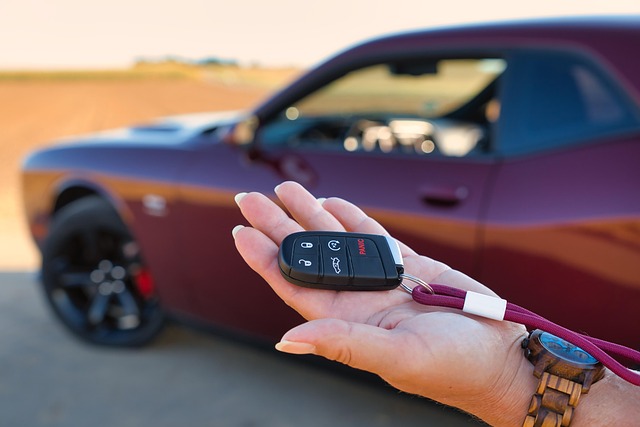
Registering a car in California involves several steps, and one of the crucial stages is completing and submitting the Application Form accurately. This process ensures that your vehicle complies with state regulations and is safe for operation on California roads. The form requires meticulous attention to detail, particularly when it comes to the Vehicle Identification Number (VIN) inspection. It’s important to understand that the California Department of Motor Vehicles (DMV) employs a VIN verifier to cross-reference the information provided against their records, ensuring the vehicle’s authenticity and history.
Accuracy is paramount during this stage. Mistakes or discrepancies in the VIN can lead to delays or even rejection of your registration application. The DMV recommends using a mobile VIN verification service, which allows for real-time inspection and validation. By employing a mobile vin verifier, you can ensure that the data captured aligns precisely with the vehicle’s manufacturer records. This is especially beneficial for out-of-state transfers, where historical data might be less accessible or accurate. For instance, a study by the DMV found that approximately 2% of registration applications were delayed due to inaccurate VIN information, highlighting the importance of meticulous record-keeping.
When submitting your form, double-check each entry, especially the VIN. Consider using a mobile vin verifier for peace of mind, ensuring you have the most current and accurate data. This proactive approach can help streamline the registration process, avoiding potential issues down the line. Remember, every detail counts when interacting with government agencies, and the DMV’s VIN verifier is a critical tool to facilitate a smooth car registration experience in California.
Pay Registration Fees: Understanding the Costs Involved

Registering a car in California involves several steps, and understanding the registration fees is crucial. The process begins with ensuring your vehicle meets all legal standards through a DMV (Department of Motor Vehicles) vin verifier or mobile vin verification service. This step checks the vehicle’s history, including any outstanding issues like flood damage or stolen vehicles. In California, the fee structure varies based on vehicle type and age. For example, the registration fee for most cars under 10 years old ranges from $52 to $94, while heavier trucks may pay up to $178.
One of the costs often overlooked is the vehicle inspection fee, typically around $30, which covers the examination of lights, brakes, tires, and other safety components. This fee is crucial for maintaining road safety standards. Additionally, there might be optional services like extended warranties or roadside assistance that can add to the overall cost. It’s essential to consider these extra fees when budgeting for car registration to avoid unexpected charges.
To streamline the process, many Californians opt for mobile vin inspection services, which provide on-site assessments and immediate results. These services, often performed by certified technicians, offer convenience and can be particularly beneficial for those with busy schedules or limited mobility. By utilizing these resources, you can ensure a smoother registration experience while understanding all associated costs transparently.
By meticulously preparing the required documents, visiting a California DMV office with the necessary steps and procedures in mind, verifying the Vehicle Identification Number (VIN) using an official DMV VIN verifier, accurately completing and submitting application forms, and understanding the associated registration fees, you can successfully navigate the car registration process in California. This comprehensive guide equips you with the knowledge to ensure a smooth experience, ensuring your vehicle is legally registered and road-ready.