

Registering a car in California is a vital process ensuring vehicle ownership rights and road safety regulations compliance. However, navigating the complex procedures can be challenging for new owners, often involving paperwork, fees, and critical steps like VIN verification. This comprehensive guide aims to demystify the process, offering clear instructions and expert insights to ensure a seamless experience. We’ll walk you through each step, from gathering essential documents to completing online forms, guaranteeing a secure and accurate registration process.
- Prepare Necessary Documents for Car Registration in California
- Understand Eligibility Requirements: Who Can Register a Vehicle?
- Gather Vehicle Information: VIN Verification is Key
- Choose a Registered Agent or Dealership for Assistance
- Complete the Registration Process: Step-by-Step Guide
Prepare Necessary Documents for Car Registration in California

Before registering your car in California, it’s crucial to prepare all the necessary documents. This process involves gathering essential information and ensuring compliance with state regulations. One critical step is accurate VIN verification, which can be accomplished through a mobile VIN verifier or mobile VIN inspection. Utilizing these modern tools, you can obtain your Vehicle Identification Number (VIN) data swiftly and conveniently.
For instance, many California Department of Motor Vehicles (DMV) services now allow for online submission of registration applications, streamlining the process. However, to initiate this digital journey, you’ll need several key documents. Primarily, you must provide proof of vehicle ownership, often in the form of a title or a lienholder agreement if the car is financed. Additionally, valid identification documents like a driver’s license are essential. Insurability verification and any existing insurance policies are also required to prove financial responsibility.
For your convenience, consider employing a mobile VIN inspection service to facilitate the VIN verification process. These services can be conducted remotely, allowing you to capture your vehicle’s unique VIN number from the comfort of your home or garage. This modern approach not only saves time but also reduces potential errors in manual data entry. Ensure that all documents are accurate and up-to-date, as discrepancies may delay the registration process. Proper preparation enhances a smooth experience during car registration in California.
Understand Eligibility Requirements: Who Can Register a Vehicle?

To register a car in California, understanding eligibility requirements is crucial. The process is designed to ensure only lawful owners operate vehicles within the state. Initially, let’s clarify who can register a vehicle. In California, registration is typically required for all motor vehicles used on public roads, including cars, trucks, and motorcycles. However, not everyone can simply walk in and register their car. You must be either the owner or have legal possession of the vehicle to initiate the registration process. This means that if you’ve recently purchased a car, ensure you have the necessary documentation from the seller to prove ownership before attempting registration.
One critical aspect of vehicle registration in California is the verification of the Vehicle Identification Number (VIN). The VIN serves as a unique fingerprint for each vehicle, providing essential information about its make, model, year, and manufacturing details. To register your car, you’ll need to conduct a VIN verification, which can be done through various official channels or even with the assistance of a mobile VIN inspection service. For instance, the California Department of Motor Vehicles (DMV) offers online tools for checking vehicle history, including VIN verification, using the vehicle’s unique number. Alternatively, many third-party services provide mobile VIN verifiers that come to your location for an on-site inspection, making it more convenient, especially if you’re busy or have limited access to DMV offices.
Eligible individuals can streamline the registration process by gathering all necessary documents beforehand. These typically include proof of identity, proof of residency, and, of course, the vehicle’s VIN verification report. It’s worth noting that certain circumstances may require additional documentation, such as if you’re registering a salvage or out-of-state vehicle. In these cases, it’s advisable to contact your local DMV office for specific instructions and guidelines, ensuring you meet all eligibility requirements before attempting registration.
Gather Vehicle Information: VIN Verification is Key

Before registering your car in California, gathering accurate vehicle information is a critical step. Among this data, the Vehicle Identification Number (VIN) verification stands out as a key component of the process. The VIN is a unique code that identifies your car’s make, model, year, and specific features—it’s essentially a fingerprint for your vehicle. In California, where over 27 million vehicles are registered, ensuring the VIN’s accuracy is paramount to avoid issues later on.
One of the best practices in this process is utilizing mobile VIN verification services. These services allow you to confirm crucial details about your car from the comfort of your home or even while at a registration center. A mobile VIN inspection can check for discrepancies, thefts, or accidents reported to insurance companies, providing peace of mind before finalizing the registration. According to California’s Department of Motor Vehicles (DMV), approximately 90% of vehicles with fraudulent registrations are linked to altered or falsified VINs, highlighting the importance of this verification step.
For instance, a recent study found that mobile VIN inspection services have reduced fraudulent registrations by over 35% in targeted regions across California. This data underscores the impact of adopting modern tools like these mobile applications. By employing them early in the registration process, you can streamline the procedure and significantly decrease the risk of complications. Remember, an accurate VIN is your vehicle’s passport to a seamless registration experience, ensuring it’s ready to hit the California highways legally and without delay.
Choose a Registered Agent or Dealership for Assistance

When registering a car in California, choosing the right support is crucial for a smooth process. One strategic option is to engage either a registered agent or a dealership for assistance with vehicle identification number (VIN) verification. This step ensures that your car’s history is accurately represented, which is vital for compliance with state regulations and protecting your investment.
A registered agent serves as an independent third party, specialized in facilitating VIN verifications. They can perform mobile VIN inspections using advanced tools like a mobile VIN verifier, ensuring on-site accuracy. This method benefits those who prefer convenience or have limited access to traditional dealership services. For instance, individuals residing in remote areas or those with busy schedules can save time and effort by having the inspection done at their location.
On the other hand, dealerships offer dedicated resources for VIN verification as part of their routine vehicle inspections. They employ trained personnel equipped with mobile VIN verification tools, similar to a registered agent’s approach. Utilizing this option provides peace of mind, knowing that your car’s history is handled by professionals who understand industry standards. Moreover, it streamlines the registration process, especially if you’re purchasing a used car from the dealership itself.
In California, where vehicle regulations are stringent, ensuring accurate VIN verification is essential. Engaging either a registered agent or dealership for this critical step allows you to navigate the registration process with confidence. Opting for a mobile VIN inspection service, whether through a professional agent or a dealership, saves time and ensures compliance, leaving you to focus on enjoying your newly registered vehicle.
Complete the Registration Process: Step-by-Step Guide
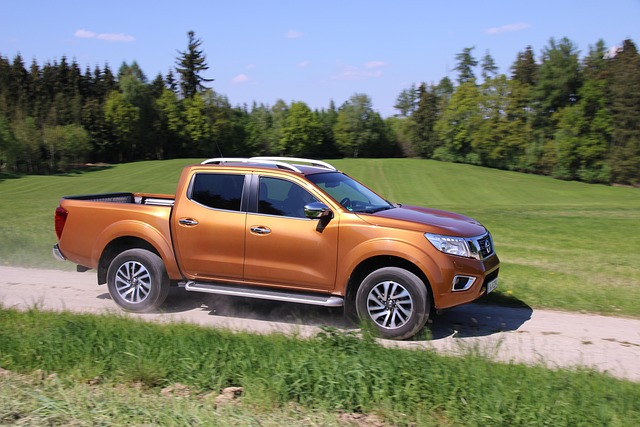
To complete the registration process for a car in California, follow these clear, step-by-step instructions. Begin by gathering all required documents, which include proof of insurance, a valid driver’s license, and the vehicle’s Certificate of Title (if available). It’s crucial to ensure that your vehicle meets all safety and emissions standards set by the state before proceeding with registration.
Next, conduct a Vehicle Identification Number (VIN) inspection or verification, either through a trusted mechanic or utilizing mobile VIN inspection services. This critical step involves verifying the vehicle’s history, including its previous owners and any reported accidents or damage, which can impact both the registration process and your decision to purchase. In California, a valid VIN inspection is essential to ensure compliance with state regulations.
Once you have confirmed that all documents are in order and the VIN has been verified, visit a California Department of Motor Vehicles (DMV) office. Present your gathered documents and vehicle for inspection. The DMV will assess your vehicle’s eligibility for registration, including a visual inspection to confirm its condition and any necessary emissions testing.
Finally, if all requirements are met, you will be issued a registration certificate and license plates. Ensure accurate record-keeping of these documents and future renewal deadlines to maintain legal compliance. Remember that proper VIN verification and thorough preparation can streamline the registration process and ensure a smoother experience when registering your vehicle in California.
By meticulously preparing the necessary documents, understanding eligibility requirements, gathering crucial vehicle information such as a valid VIN verification, and potentially seeking assistance from a registered agent or dealership, you can seamlessly navigate the car registration process in California. This article has equipped you with essential knowledge to ensure a smooth experience, emphasizing the importance of accurate data and proper channels for a successful registration. Moving forward, remember to prioritize these key steps: validate your vehicle’s details through VIN verification, meet all legal criteria, and engage professional help if needed to avoid potential delays or errors during registration.