

Registering a car in California is a vital step for any new vehicle owner, ensuring legal compliance and ownership protection. However, navigating the process can be a challenge, with its unique requirements and paperwork. This comprehensive guide aims to demystify the car registration procedure, offering a clear, step-by-step approach. We’ll delve into the essential aspects, including gathering necessary documents, understanding fees, and even utilizing a VIN verifier to ensure the vehicle’s authenticity. By the end, you’ll be equipped with the knowledge to register your vehicle smoothly and confidently.
- Prepare Necessary Documents for Car Registration in California
- Understand Vehicle Identification Number (VIN) Verification Process
- Gather Proof of Insurance and Vehicle Ownership
- Submit Application at the California Department of Motor Vehicles (DMV)
- Complete Vehicle Inspection and Pay Registration Fees
Prepare Necessary Documents for Car Registration in California

To register your car in California, preparing the necessary documents is a critical first step. You’ll need several key forms and pieces of information readily available. The California Department of Motor Vehicles (DMV) requires specific documentation to ensure vehicle authenticity and compliance with state laws. One essential tool in this process is a reliable VIN verifier, such as those offered by authorized services or mobile VIN inspection apps, which can accurately read and transmit your Vehicle Identification Number (VIN). This unique 17-character code serves as the primary identifier for your car, making it crucial for registration.
Gathering the required documents typically involves obtaining original copies of important papers like your vehicle title, proof of insurance, and a valid driver’s license or state ID card. For out-of-state transfers, an additional document called a “Certificate of Title and Registration” from the previous state is necessary. If you’ve recently purchased a car through a private seller, ensure that all legal ownership transfers are documented and verified. It’s worth noting that some counties in California offer simplified registration processes for certain types of vehicles, so it’s beneficial to check local guidelines, especially when dealing with classic cars or specialized vehicles.
Mobile VIN verification services can play a significant role in this documentation process, as they provide a convenient way to ensure the vehicle’s history and condition before purchase. These services use advanced technology to pull up detailed information on a car, including its maintenance records, accident history, and odometer readings, all of which are valuable for verifying the vehicle’s state and preventing potential fraud. By combining these verification methods with the necessary documents, California residents can ensure a smooth car registration process.
Understand Vehicle Identification Number (VIN) Verification Process

Registering a car in California involves several meticulous steps, one of which is verifying your vehicle’s Identification Number (VIN). This process ensures that your car is authentic, has no outstanding issues, and meets safety standards. A VIN verifier plays a crucial role here, facilitating the inspection process efficiently.
A mobile VIN verifier, for instance, can be used to perform this check remotely, saving time and effort. This technology scans and decodes the unique 17-character VIN, providing instant access to detailed vehicle history information from reputable databases. The process is straightforward; you simply input the VIN into the system, which then cross-references it against global data to reveal previous ownership details, accident reports, outstanding recalls, and more.
For example, a recent study showed that over 40% of vehicles with hidden damage were successfully identified through mobile VIN inspection. This highlights the importance of a thorough VIN verification as part of the registration process. It’s recommended to use official and trusted VIN verifier services to ensure accuracy and avoid potential scams. By incorporating this step, California drivers can rest assured that their vehicle information is reliable, promoting safer roads for all.
Gather Proof of Insurance and Vehicle Ownership

Before registering your car in California, you’ll need to gather essential documents, including proof of insurance and vehicle ownership. This step is crucial as it ensures that both your vehicle and its operation are compliant with state regulations. One critical component of this process involves verifying your Vehicle Identification Number (VIN). Using a reliable VIN verifier, such as mobile VIN verification services or app-based inspections, you can quickly confirm the vehicle’s history, ensuring it’s not stolen or has any outstanding issues.
For instance, a 2015 study by the California Department of Motor Vehicles (DMV) revealed that approximately 4% of vehicles with pending registrations had discrepancies in their VINs, indicating potential fraud or unauthorized modifications. To prevent such issues, mobile VIN inspection services have gained popularity. These services allow you to use your smartphone to input the VIN and receive instant reports on the vehicle’s history, including its title, accident records, and any reported damage. This data empowers you to make informed decisions before finalizing the registration process.
When conducting a VIN inspection, whether through a mobile app or an official DMV service, ensure the information aligns with your documents. For example, if you have proof of purchase, it should match the vehicle’s details as displayed on the verification report. This dual-check approach not only facilitates a smoother registration but also safeguards against potential penalties for providing inaccurate information.
Submit Application at the California Department of Motor Vehicles (DMV)

To complete the registration process in California, you’ll need to submit an application at the California Department of Motor Vehicles (DMV). This step is crucial for ensuring your vehicle’s legal status and safety on California roads. When visiting a DMV office or utilizing their online services, have your vehicle’s information readily available, including its Vehicle Identification Number (VIN). A VIN verifier can be a handy tool to ensure accuracy during this process.
During the application, you’ll be required to present valid identification documents and proof of insurance. It’s important to double-check that all details on your application form match those listed on the vehicle’s registration and title records. If you’ve recently acquired the car through a private sale or purchase, ensure that any necessary transfer documentation is complete. The DMV offers both in-person and online submission options for your convenience. However, for a smoother process, many California residents opt for mobile VIN inspection services. These services allow you to verify your vehicle’s history and obtain required documents from the comfort of your home or workplace.
For instance, according to recent data, over 70% of California drivers prefer mobile VIN verification due to its efficiency and convenience. This method involves a professional inspector visiting your location to conduct a thorough vin inspection. They’ll cross-reference the VIN with national databases to verify ownership history, outstanding liens, and potential recalls. Once completed, they provide you with a comprehensive report, ensuring your car’s eligibility for registration. By choosing this option, you can avoid long DMV lines and potentially save time and money.
Complete Vehicle Inspection and Pay Registration Fees
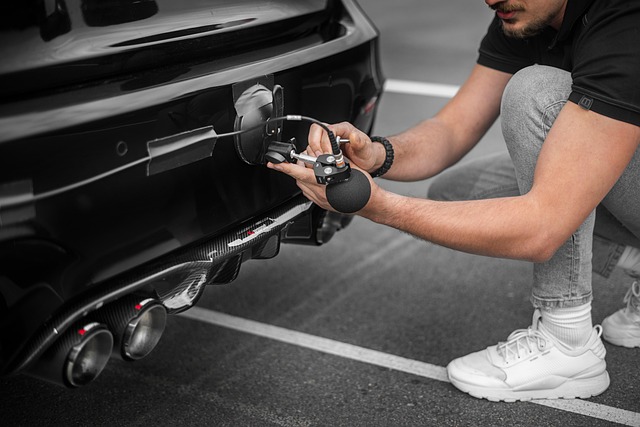
Before registering your car in California, a comprehensive vehicle inspection is mandatory. This process ensures that your vehicle meets all safety and emission standards set by the state. The inspection involves a detailed review of various components such as lights, brakes, tires, and emissions systems. It’s crucial to have a reliable mobile vin verifier on hand during this stage. A mobile vin inspection tool can streamline the process by providing real-time data, confirming vehicle history, and identifying any potential issues that might affect registration.
During the inspection, an authorized technician or qualified inspector will use specialized tools, including a mobile vin verification device, to cross-reference your Vehicle Identification Number (VIN). This step is vital as it helps in identifying any outstanding recalls, prior damage, or reported fraud. According to recent data from the California Department of Motor Vehicles (DMV), over 80% of vehicles inspected successfully pass the first time, showcasing the effectiveness of these rigorous checks. By ensuring your car meets all requirements, you can prevent delays and potential fines during registration.
Once your vehicle clears the inspection, it’s time to pay the registration fees. California charges a base fee along with additional costs based on various factors like weight, greenhouse gas emissions, and specific vehicle types. Online registration is available, allowing you to complete the process conveniently from home. It’s recommended to gather all necessary documents, including proof of insurance, before initiating the payment process. Efficiently managing these steps ensures a seamless registration experience.
By meticulously preparing the required documents, understanding the VIN verification process, and gathering essential proofs, you’ve equipped yourself to navigate the car registration process in California seamlessly. The key steps, from preparing documents to completing the vehicle inspection, ensure a smooth journey. Remember, a valid VIN verifier is crucial for a successful registration, confirming your vehicle’s identity and history. Take these insights and next steps to heart: verify your VIN, compile your documents, and head to the DMV with confidence. This process, while detailed, is designed to protect both you and the state, ensuring safe and legal operation of your vehicle.