

Registering a car in California is a necessary step for any new vehicle owner, yet the process can be confusing and time-consuming. Understanding the requirements and navigating the paperwork involves critical steps like accurate odometer readings and proper documentation. This guide aims to demystify the registration process, ensuring you have a seamless experience. We’ll walk you through each step, emphasizing the importance of VIN verification for accuracy and legitimacy. By following these straightforward instructions, you’ll efficiently register your vehicle in California, leaving no room for error.
- Prepare Necessary Documents for Car Registration
- Understand California's Vehicle Identification Number (VIN) Verification Process
- Gather Information from Your Car's Manufacturer or Dealer
- Visit a California Department of Motor Vehicles (DMV) Office
- Complete the Registration Application and Pay Fees
Prepare Necessary Documents for Car Registration

Registering a car in California involves several crucial steps, and one of the most vital is preparing the necessary documents for car registration. Before you begin the process, ensure you gather all required paperwork to streamline your experience at the Department of Motor Vehicles (DMV). The primary piece of documentation that serves as the foundation for registration is the Vehicle Identification Number (VIN) verification. This unique 17-character code is a critical identifier for your vehicle and is typically found on a plate attached to the vehicle’s dashboard or door post. Accurate VIN inspection ensures the car’s history, including ownership changes and maintenance records, can be traced effectively.
To facilitate this process, consider utilizing a mobile VIN verifier—an application that performs digital VIN inspections. These apps provide a quick, convenient way to verify your car’s VIN by simply taking a picture of it. This modern approach not only saves time but also enhances accuracy compared to manual entry or traditional paper-based verifications. For instance, some mobile apps offer additional features like vehicle history reports, which can be beneficial when assessing the overall condition and past of your prospective vehicle.
Among the other essential documents you’ll need are proof of ownership (such as a title or bill of sale), current registration, insurance card, and identification with a valid driver’s license. It’s also advisable to bring along any relevant service records or repair invoices, especially if they highlight significant maintenance performed on the vehicle. Properly preparing these documents beforehand can significantly reduce your wait time at the DMV and ensure a smoother registration process.
Understand California's Vehicle Identification Number (VIN) Verification Process

California’s Vehicle Identification Number (VIN) verification process is a critical step in the car registration procedure, ensuring vehicle authenticity and safety standards. This rigorous inspection aims to combat fraud and ensure that all vehicles on California roads meet required regulations. The VIN, a unique code imbedded within a car’s system, serves as a digital fingerprint, providing valuable information about the vehicle’s history and specifications. During the registration process, a mobile VIN verifier or mobile VIN verification service plays a pivotal role in streamlining this verification step.
When registering your car, you’ll be required to present a valid VIN from the vehicle’s manufacturer. This number is typically found on the vehicle identification plate, usually located near the driver’s side door frame. However, over time, these plates can become damaged or illegible, making alternative methods of VIN verification essential. Mobile VIN verifiers offer a convenient solution by providing real-time, accurate data from any location, eliminating the need for lengthy visits to government offices. These advanced systems capture and cross-reference vehicle data with reliable databases, ensuring the VIN’s legitimacy and the car’s compliance with California’s safety standards.
For instance, a mobile VIN inspection app can scan and decode the VIN, instantly displaying detailed information about the vehicle’s make, model, year, and even historical ownership records. This digital approach not only speeds up the registration process but also enhances accuracy. It allows for immediate detection of any discrepancies or potential fraud, providing peace of mind to both car owners and California’s Department of Motor Vehicles (DMV). By leveraging mobile VIN verification technologies, the DMV can efficiently manage a vast fleet of vehicles, ensuring a safer and more transparent automotive ecosystem in the Golden State.
Gather Information from Your Car's Manufacturer or Dealer
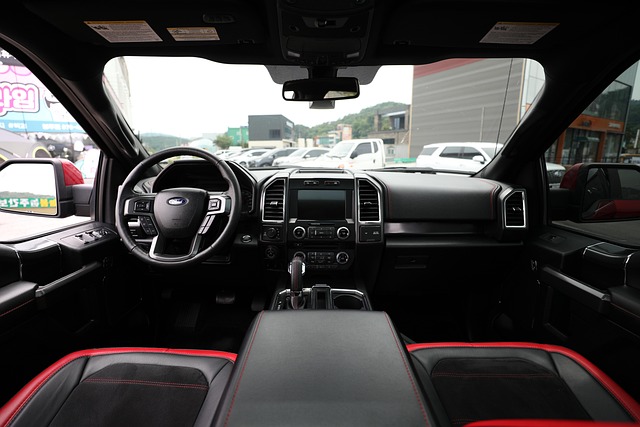
Before you begin the registration process for your new or used car in California, it’s crucial to gather essential information from your vehicle’s manufacturer or dealer. This step is a critical part of ensuring a smooth and accurate registration experience. One key aspect involves verifying the Vehicle Identification Number (VIN), which acts as a unique fingerprint for your car. Many manufacturers offer online resources where you can input your VIN to access detailed specifications, safety ratings, and even recall information. This proactive measure allows you to have all the necessary details at your fingertips before heading to the California Department of Motor Vehicles (DMV).
For instance, major automakers often provide digital ownership guides through their websites, which include important data like vehicle dimensions, engine specifications, and advanced feature lists. Some even offer mobile VIN inspection services, allowing you to scan and transmit your VIN for quick verification. These mobile vin inspectors or vin verification apps can be particularly useful if you’re purchasing a car from an individual seller, ensuring the vehicle’s history is clear and accurate before finalizing the deal.
Additionally, understanding your vehicle’s unique attributes—such as any custom modifications or optional equipment—is essential during registration. This information ensures that the DMV record accurately reflects your car’s current state. If you’ve added aftermarket parts or made significant alterations, make sure to document these changes, as they may impact insurance rates and safety inspections in the future. By proactively gathering and organizing this data, you’re well-prepared to streamline the California vehicle registration process, ensuring a hassle-free experience from start to finish.
Visit a California Department of Motor Vehicles (DMV) Office
Visiting a California Department of Motor Vehicles (DMV) Office is an integral part of the car registration process in the state. This step ensures that your vehicle complies with all necessary safety and legal standards. When you arrive at a DMV office, one of the critical procedures involves having your Vehicle Identification Number (VIN) verified. This process confirms the authenticity of your car’s details, including its make, model, year, and other essential information. The VIN is unique to each vehicle and acts as a fingerprint, aiding in theft prevention and ensuring that only legitimate vehicles are registered.
For convenience, California offers both in-person and mobile VIN inspection services. If you’re unsure about the process, staff at the DMV are trained to guide you through every step. They can provide clarification on required documents, fees, and any additional checks needed for your specific vehicle. It’s advisable to check ahead of time if your local office provides mobile VIN verification services, which can save you a trip, especially if you have a newer or specialized vehicle that may require further scrutiny. This service is particularly beneficial for those with busy schedules as it offers flexibility and convenience without compromising on accuracy.
While visiting the DMV, ensure you bring all necessary documents, including proof of insurance, ownership records, and any applicable registration fees. The process typically involves filling out forms, providing identification, and undergoing a thorough inspection of your vehicle. By ensuring your VIN is verified correctly, you’re not only adhering to California’s regulations but also contributing to a more secure and efficient automotive ecosystem. This meticulous approach helps maintain the integrity of public records and protects consumers from potential fraud or scams.
Complete the Registration Application and Pay Fees

To complete the registration process for your vehicle in California, you’ll need to fill out a Registration Application form (Form DVF 140). This document requires precise and accurate information about your car, including its make, model, year, and unique Vehicle Identification Number (VIN). Ensure that all details match those listed on your title and that the VIN is correctly verified. Accurate VIN verification is crucial for a seamless registration process and can be facilitated through mobile VIN inspection services, allowing you to confirm the vehicle’s history from the comfort of your home or garage.
Once your application is complete, it’s time to pay the required fees. California charges various costs based on the type of vehicle and its emission status. Fees typically include a registration fee, emissions testing fee, and a surcharge for late registration. Payment methods accepted include credit cards, debit cards, and checks. It’s advisable to review the official California Department of Motor Vehicles (DMV) website or contact your local DMV office for the most up-to-date fee schedules, as they can vary.
After submitting your application and fees, you’ll receive your registration certificate along with a temporary license plate if needed. For newer vehicles or those with updated components, a mobile VIN inspection by an approved verifier can streamline the process, ensuring all systems comply with California’s regulations before finalizing your registration. This approach not only saves time but also guarantees that your vehicle meets the necessary standards for safe operation on California roads.
Registering a car in California involves a straightforward process, but understanding key steps like VIN verification is crucial. By preparing necessary documents, gathering vehicle information, and completing an application at a DMV office, you ensure your car’s legal status. Always verify your vehicle’s identification number (VIN) to meet state requirements, making the registration process efficient and accurate. This article has provided clear insights into each step, empowering you with the knowledge to navigate California’s car registration process confidently.