

Looking to register your car in California? This comprehensive guide walks you through the entire process, ensuring a smooth experience. From understanding the DMV’s VIN verification process to gathering essential documents, preparing for inspection, and completing the application, we’ve got you covered. Learn how to pay the required fees and receive your registration quickly. Follow these steps to make car registration in California hassle-free.
- Understanding the DMV VIN Verification Process
- Gather Required Documents for Car Registration
- Preparing Your Vehicle for Inspection
- Completing the California Car Registration Application
- Paying the Necessary Fees and Receiving Your Registration
Understanding the DMV VIN Verification Process

When registering your car in California, understanding the DMV VIN verification process is crucial. The Department of Motor Vehicles (DMV) requires a vehicle identification number (VIN) verification as part of the registration procedure to ensure that the car meets safety and environmental standards. This process involves validating key information associated with the VIN, such as the make, model, year, and emission compliance.
During the registration, you may be required to undergo a mobile vin verification or vin inspection. This involves a professional inspector using specialized tools to cross-reference the VIN data against official records. The mobile vin inspection process streamlines this check by bringing the necessary equipment directly to your location, making it convenient for California residents who are busy or have limited mobility.
Gather Required Documents for Car Registration
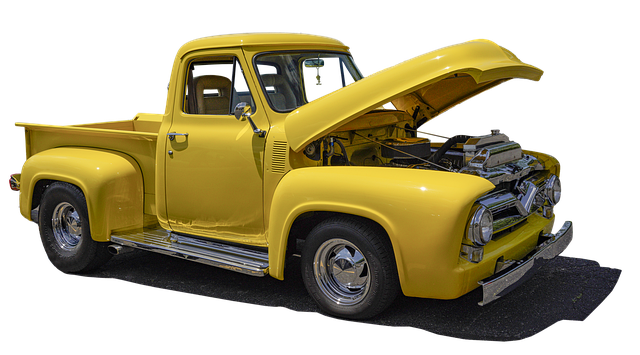
Before you begin the car registration process in California, it’s crucial to gather all the necessary documents. This includes your vehicle’s Registration Application (Form DVF-1), which can be obtained online or from a DMV field office. Additionally, you’ll need proof of insurance and a valid driver’s license. Another important document is the Vehicle Identification Number (VIN) verification report, which can be obtained through a mobile vin inspection or a third-party vin verifier. This report confirms your vehicle’s history and ensures it meets all legal requirements.
Don’t forget to bring along any relevant records related to previous registrations, odometer readings, and any recent maintenance or repair work. Proper documentation is key to ensuring a smooth registration process at the DMV. With these documents in hand, you’ll be ready to complete your car’s registration in California efficiently.
Preparing Your Vehicle for Inspection

Before you can register your car in California, ensure your vehicle is prepared for the inspection process. This includes completing any necessary repairs and ensuring all components are in good working order. The California Department of Motor Vehicles (DMV) requires a thorough vin verification to confirm the authenticity of your vehicle’s details. This involves checking critical systems like brakes, lights, horns, and safety features to ensure they meet state standards.
One crucial step is to obtain a mobile vin verification or use a vin inspection service to validate your vehicle’s unique identifier (VIN). A reliable mobile vin verifier can streamline this process by providing on-site or remote checks, ensuring accuracy and saving you time. By addressing these preparations, you’ll be one step closer to successfully registering your car in California.
Completing the California Car Registration Application

To complete the registration process for your car in California, the first step involves filling out the official California Car Registration Application. This form requires detailed information about your vehicle, including its make, model, year, and unique Vehicle Identification Number (VIN). The VIN is a crucial element for identifying your car accurately during the registration and title transfer process, ensuring that all records are correctly associated with your vehicle.
Additionally, you’ll need to undergo a DMV (Department of Motor Vehicles) vin verification process, which can be done through a mobile vin inspection or at a local DMV office. This step involves checking the vehicle’s history, including any previous accidents, outstanding liens, or other issues that could impact its registration. A successful vin inspection ensures that your car meets all legal requirements before it is officially registered in California.
Paying the Necessary Fees and Receiving Your Registration

After completing your vehicle’s registration application, it’s time to pay the necessary fees and receive your official registration documents. The California Department of Motor Vehicles (DMV) will process your application and perform a VIN verification to ensure the accuracy of the vehicle identification number (VIN). This step is crucial for maintaining accurate records and preventing fraud.
Once your application has been approved, you’ll be required to pay various fees, including registration costs, title fees, and any additional taxes applicable to your vehicle. You can typically make these payments online or in person at a local DMV office. Upon successful payment, the DMV will issue your vehicle’s registration certificate, which includes your unique VIN number, ensuring that your car is legally registered and ready for road use.
Registering a car in California involves several straightforward steps, including successful completion of the DMV VIN verification process. By ensuring all required documents are gathered, your vehicle is prepared for inspection, and applications are accurately completed, you can efficiently navigate the registration process. Remember to pay the necessary fees to receive your official California car registration documents. With these steps followed, you’ll be legally registered and ready to hit the road.