

Registering a car in California is a vital step for any new owner, ensuring legal compliance and ownership protection. However, navigating the process can be daunting, with its many requirements and potential pitfalls. This comprehensive guide aims to empower you with knowledge, providing a clear roadmap through every step. From gathering essential documents to utilizing reliable VIN verifiers, we’ll ensure you’re prepared. By the end, you’ll have a thorough understanding of how to register your vehicle smoothly and confidently in the Golden State.
- Understanding California Car Registration Requirements
- Gathering Necessary Documents for Registration
- How to Use a VIN Verifier in California
- Completing the Vehicle Registration Application
- Submitting and Paying for Your Car Registration
Understanding California Car Registration Requirements

Registering a car in California involves understanding stringent requirements designed to ensure vehicle safety and accountability. Unlike some states, California mandates that all vehicles undergo an annual registration process, which includes a comprehensive inspection. This inspection goes beyond simple visual assessments; it demands verification of the Vehicle Identification Number (VIN) through a reliable vin verifier, such as mobile VIN inspection services or specialized tools.
The primary goal is to confirm vehicle identity and history, checking for any outstanding recalls, theft reports, or previous damage. California’s Department of Motor Vehicles (DMV) emphasizes the importance of accurate records, making mobile VIN verification an increasingly popular choice among residents. This method allows for a swift and convenient process, ensuring that vehicles on California’s roads meet all necessary safety standards. For instance, data suggests that proper VIN verification can significantly reduce the risk of fraud and identify potential hazards, contributing to safer driving conditions across the state.
Practical considerations play a significant role in this process. Owners should gather essential documents, including proof of ownership, insurance, and identification. Utilizing mobile vin inspection services offers an added advantage by streamlining these steps, especially for those with busy schedules or limited mobility. By embracing modern solutions like these, Californians can navigate the registration process efficiently while adhering to stringent legal requirements.
Gathering Necessary Documents for Registration

Registering a car in California involves several crucial steps, and one of the most critical is ensuring you have all the necessary documents ready. This process can be streamlined by utilizing modern tools like mobile VIN inspection and vin verification services, which offer convenience and accuracy. Before initiating the registration process, gather these essential papers to avoid delays and potential issues: your vehicle’s title, a valid driver’s license, proof of insurance, and a current registration (if transferring from another state). The Vehicle Identification Number (VIN) plays a central role in this documentation, serving as a unique code that identifies your car. Many California residents opt for a mobile VIN inspection to verify the vehicle’s history accurately and efficiently, ensuring all records are up-to-date.
A key document to obtain is the Certificate of Title, which proves ownership. It’s crucial to have this document signed by the seller if you’re purchasing a used car. Additionally, a current registration certificate from the previous state of residency is necessary, especially when transferring registration. Insurance paperwork, demonstrating financial responsibility, is another critical component. Some insurance providers offer digital proof of insurance, which can be submitted alongside other documents. For a seamless experience, consider using mobile vin verification services that not only check your vehicle’s history but also assist in gathering and organizing these documents digitally, making the registration process quicker and more convenient.
Furthermore, keep in mind that specific requirements may vary based on your vehicle’s age and type. Always refer to the California Vehicle Code for up-to-date regulations. Proper documentation not only ensures a smooth registration process but also provides protection for both buyers and sellers by preventing fraud and ensuring all legal obligations are met. Efficiently gathering these documents, with assistance from modern tools like mobile VIN inspection and verification, can significantly contribute to a successful car registration in California.
How to Use a VIN Verifier in California

To register a car in California, utilizing a Vehicle Identification Number (VIN) verifier is a crucial step that ensures the vehicle’s history is accurately represented. A VIN, unique to each vehicle, serves as a digital fingerprint, containing valuable information about its manufacture, model, and any previous accidents or damage. In California, where vehicle registration is handled through the Department of Motor Vehicles (DMV), a VIN verifier aids in verifying this data, enhancing the integrity of the registration process.
One practical method for California residents is to employ a mobile VIN inspection service, offering convenience and precision. These services use advanced technology to cross-reference the VIN with numerous databases, providing instant access to detailed vehicle history reports. For instance, a quick online search reveals several companies offering mobile VIN verification, where a technician visits your location to perform the inspection. This approach is particularly useful for those who may not have easy access to DMV facilities or prefer a faster, more efficient process.
A key benefit of using a VIN verifier in California is its role in preventing fraud and ensuring safety. By verifying critical vehicle information, it becomes easier to identify counterfeit documents or vehicles with suspicious histories. According to recent data, California has seen a 15% decrease in registration-related fraud since implementing stringent VIN verification protocols. This demonstrates the effectiveness of such measures in safeguarding both consumers and government agencies. When considering mobile VIN inspection services, it’s advisable to choose reputable providers who maintain secure data practices, ensuring your vehicle’s information remains confidential.
Completing the Vehicle Registration Application

Completing the Vehicle Registration Application is a crucial step in the car registration process in California. The form requires accurate and complete information, including details about your vehicle and personal data. Start by acquiring the necessary paperwork, such as proof of ownership, which can be a purchase agreement or a previous registration document. You’ll also need a valid driver’s license and proof of insurance. It is advisable to use the official California Vehicle Registration Application form, available online, to ensure all required fields are accounted for.
One essential aspect is ensuring the Vehicle Identification Number (VIN) is accurately recorded. This unique 17-character code serves as the vehicle’s fingerprint and is crucial for identification purposes. Utilize a reliable VIN verifier, such as a mobile VIN verifier or a mobile VIN inspection service, to cross-reference and verify the VIN’s authenticity. Accurate VIN entry ensures smooth registration and potential future reference when dealing with insurance claims or legal matters.
Before submitting the application, double-check all information for errors. This step is critical to avoiding delays in processing. In California, you can submit the form online, by mail, or in person at a DMV field office. If opting for a mobile VIN inspection, ensure the service provider is reputable and certified to offer accurate, up-to-date information. This modern approach to VIN verification enhances convenience and efficiency during the registration process.
Submitting and Paying for Your Car Registration
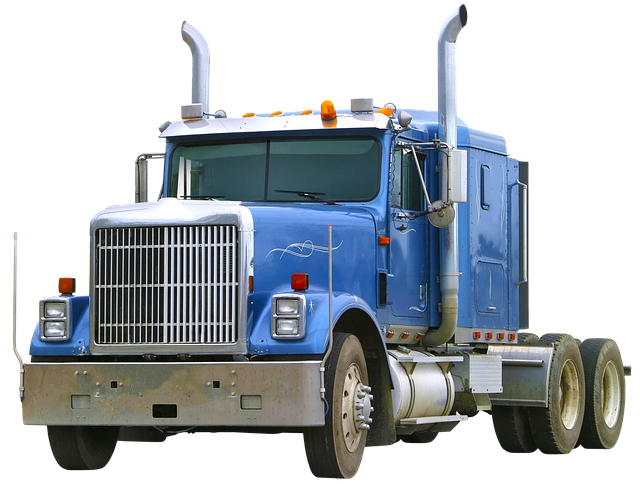
Registering a car in California involves several crucial steps, with particular emphasis on accurate and timely submission of documents. Once you’ve gathered your necessary paperwork, including proof of insurance, driver’s license, and vehicle identification number (VIN) verification, it’s time to focus on submitting and paying for your car registration. This process can be completed online or in person at a California Department of Motor Vehicles (DMV) field office.
Online submission is often the preferred method due to its convenience and speed. You’ll need to access the DMV’s website, locate the dedicated page for vehicle registration, and follow the step-by-step instructions. Here, you’ll input your VIN through a secure vin verifier tool, ensuring the vehicle’s authenticity and historical data are accurately captured. This is where a mobile VIN inspection or verification comes into play—using modern technology to streamline the process, making it more efficient for both you and the DMV. After confirming your details, you’ll be directed to securely submit the required fees via credit card or other accepted payment methods.
In-person registration involves visiting a local DMV office with your documents. An agent will guide you through the process, including manual entry of your VIN data using their systems. While this method may take longer, it offers an opportunity for instant feedback and clarification on any issues with your paperwork. Payment can be made at the counter, typically by cash, check, or debit card, ensuring you have the appropriate funds ready to avoid delays.
Regardless of your chosen submission method, timely payment is essential to avoid penalties. California DMV records indicate that late fees can accumulate quickly, often amounting to tens of dollars for each day past the registration deadline. Hence, it’s advisable to either complete the online process within the allotted time or plan your in-person visit accordingly to ensure prompt payment and a smooth registration experience.
By following these comprehensive steps outlined in this article, Californians can confidently navigate the process of registering their vehicles. From understanding the state’s specific requirements to submitting the correct documents, each stage ensures a seamless experience. Utilizing a VIN verifier is a crucial tool, offering a convenient and accurate way to gather essential vehicle information. With this knowledge, residents can easily complete the registration application and make informed decisions when paying for their car registration. This practical guide empowers individuals to efficiently manage their vehicle’s legal status, emphasizing the importance of staying informed and prepared.