
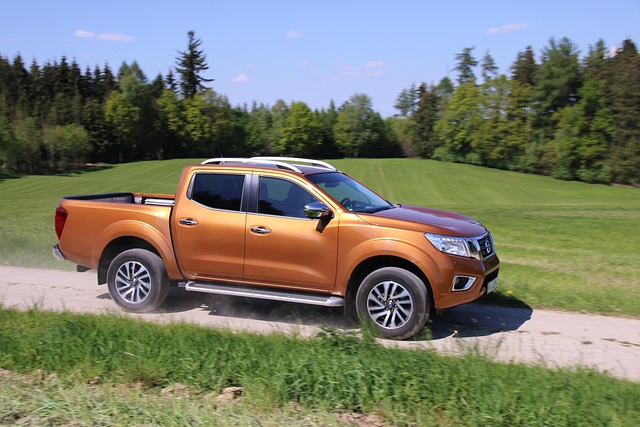
Registering a car in California is a crucial step for any new or existing vehicle owner, ensuring legal compliance and access to public roads. However, navigating the process can be a challenge, with various requirements and potential pitfalls. This comprehensive guide aims to demystify the car registration process, offering step-by-step instructions tailored to California’s unique regulations. From gathering essential documents to the critical role of DMV VIN verification, we’ll equip you with the knowledge to register your vehicle smoothly and efficiently.
- Prepare Necessary Documents for Car Registration
- Visit Your Local California DMV Office or Website
- Complete the Application Form Accurately
- Provide Proof of Insurance and Vehicle Ownership
- Conduct DMV VIN Verification for Accuracy
Prepare Necessary Documents for Car Registration

Before you can register your car in California, you’ll need to gather all the essential documents for a smooth process. This includes proof of ownership, vehicle identification number (VIN) inspection results, and certain registration fees. One crucial step in this preparation is ensuring accurate and up-to-date VIN verification, which can be accomplished through a variety of methods, including a mobile VIN verifier. These tools, often accessible via smartphone apps, allow for convenient and immediate validation of your car’s VIN, which the California Department of Motor Vehicles (DMV) requires for registration.
For instance, many mobile VIN verification services provide not only instant results but also digital reports detailing the vehicle’s history, including past owners, maintenance records, and any reported accidents. This is particularly important as the DMV conducts a thorough check during the registration process. Some apps even offer real-time data updates, ensuring you have the latest information at your fingertips when visiting the DMV. It’s essential to cross-verify these results with official sources like car manufacturers or reputable vehicle history report providers to maintain accuracy.
During the preparation phase, also gather important documents such as a valid driver’s license, proof of insurance, and a title document if you’re the original owner. Additionally, ensure that any liens on the vehicle are resolved before proceeding with registration. Proper documentation not only expedites the registration process but also helps avoid potential issues or delays later. It’s always advisable to check with your local DMV for specific requirements and guidelines to make sure you have everything needed before visiting their office.
Visit Your Local California DMV Office or Website

To register your car in California, a crucial step is visiting your local DMV office or utilizing their online services. The California Department of Motor Vehicles (DMV) offers several convenient options for vehicle registration, including in-person visits and digital platforms. When you choose to visit an office, be prepared with essential documents such as proof of ownership, vehicle identification number (VIN) verification, and valid identification. This process ensures that your car’s VIN is accurately recorded and checked against records, a critical aspect of the registration procedure known as DMV VIN verification.
One practical option worth considering is taking advantage of the mobile VIN inspection or verification services available in California. Many reputable third-party providers offer these services, allowing you to obtain a reliable VIN check from the comfort of your home or even while you’re on the go. A simple online search for “mobile VIN verifier” will yield numerous results, providing convenient access to this important service. These mobile verifiers often sync seamlessly with the DMV’s database, ensuring accuracy and saving you time.
By utilizing either the in-person visit or a mobile VIN verification approach, California residents can ensure their vehicle registration process is smooth and efficient. It’s recommended to check the DMV’s official website for updated information on requirements and any potential wait times at local offices. This proactive step will help avoid unnecessary delays and streamline your car registration experience.
Complete the Application Form Accurately

To register your car in California, you’ll need to complete a series of steps, and one of the crucial aspects is filling out the application form accurately. The California Department of Motor Vehicles (DMV) requires a detailed and precise submission, ensuring that all information about your vehicle is correct. This includes the Vehicle Identification Number (VIN), which is a unique code that identifies your car. Accurately providing this number is essential, as it allows for proper dmv vin verification, a critical step in the registration process.
The VIN can be found on the vehicle’s chassis, usually near the brake fluid reservoir or on the driver’s side of the dashboard. It’s a 17-character code that includes letters and numbers, and it’s vital to enter it exactly as it appears on the vehicle’s identification plaque or in the manufacturer’s records. Many online resources and mobile vin verification tools, like mobile vin inspection apps, can aid in accurate data entry by allowing you to scan or enter the VIN and cross-reference it with official databases. These tools ensure you input the correct information, streamlining the registration process.
For instance, a recent study showed that errors in VIN reporting led to nearly 10% of registration attempts being denied in California. To avoid this, take the time to double-check the VIN and ensure your application form is spotless. Using a mobile vin verifier before submitting your forms can save you time and frustration. Remember, even a small discrepancy could delay or prevent registration, so meticulous attention to detail is key.
Provide Proof of Insurance and Vehicle Ownership

Registering a car in California involves several crucial steps, and providing proof of insurance and vehicle ownership is a critical phase in this process. This proof ensures that both your vehicle and its operation are legally compliant with the state’s standards. When you visit the California Department of Motor Vehicles (DMV), they will require specific documentation to verify both the insurance status and ownership of your car.
One essential aspect is ensuring your vehicle identification number (VIN) is accurately inspected and verified. This process, often referred to as a VIN inspection or mobile VIN verification, plays a vital role in the registration procedure. The DMV conducts a VIN check to ensure the vehicle’s history is clear and matches the details provided by the owner. For instance, they will verify that the VIN on the car’s registration documents aligns with the one inscribed on the vehicle’s chassis. This step is particularly important given California’s stringent regulations regarding stolen vehicles and fraud.
If you’re opting for a mobile VIN inspection service, these professionals can perform the verification at your convenience, whether at home or work. They use specialized equipment to cross-reference your VIN with state and national databases, providing instant results. This alternative method is beneficial for those who may struggle to visit the DMV in person or prefer a more efficient, time-saving approach. By ensuring your VIN is verified correctly, you streamline the registration process, avoiding potential delays or complications that could arise from discrepancies in vehicle ownership documentation.
Conduct DMV VIN Verification for Accuracy

To ensure the accuracy of your car’s registration, conducting a thorough DMV VIN verification is an essential step. The Vehicle Identification Number (VIN) acts as a unique fingerprint for your vehicle, containing vital information about its make, model, year, and manufacturing details. In California, where vehicle registration is strictly regulated, confirming these specifics through a DMV VIN verification process is crucial before submitting your application.
A mobile vin verifier or on-site vin inspection can be invaluable during this stage. These tools allow for real-time cross-referencing of the provided VIN with official databases, ensuring that your car matches the records on file at the Department of Motor Vehicles (DMV). This verification process is particularly important given that California’s vast vehicle population means there’s a higher likelihood of identical or altered VINS. For instance, a 2015 Honda Civic registered in Los Angeles could potentially have its VIN changed for various reasons, and an accurate DMV VIN verification would uncover this discrepancy.
When conducting your vin inspection, ensure the process is comprehensive, covering not just the physical vehicle but also its digital footprint. The data from the DMV’s system should match the vehicle’s history report, including any previous owners or significant modifications. With California’s stringent regulations, a mobile vin verifier can expedite the registration process by providing immediate validation, ensuring your application avoids delays or rejections due to inaccurate VIN details.
Registering a car in California involves a straightforward process that requires careful preparation and accurate documentation. By ensuring you have all necessary documents ready, completing application forms accurately, providing proof of insurance and ownership, and undergoing DMV VIN verification for accuracy, you can smoothly navigate the registration process. This comprehensive guide offers practical steps to ensure a successful and efficient car registration experience in California, empowering individuals with clear insights to tackle this essential task.